Table of Contents
Coffee Culture Secrets: The Rhythmic Pulse of Arabian Desert Camps
Coffee Culture Secrets are embedded in the very sand that shifts beneath the feet of the Bedouin. For centuries, the aroma of roasting beans has served as a silent invitation across the dunes. It is not just a drink; it is a declaration of peace, a tool for diplomacy, and a symbol of ultimate respect.
The journey of Coffee Culture Secrets begins in the early morning or at the setting of the sun. In a landscape where survival was once a daily struggle, the act of preparing coffee became a sacred ritual. It signified that the host was ready to protect and provide for any stranger who approached their tent.
Today, when you visit a desert camp, the Coffee Culture Secrets you witness are a bridge to this ancient past. The steam rising from the pot carries the weight of a thousand years of hospitality. It is the first handshake between the host and the guest, regardless of where they come from.
The Sacred Art of Roasting the Beans
In the realm of Coffee Culture Secrets, the process is just as important as the final taste. The beans are typically roasted over an open fire in a flat pan called a “mehmas.” This manual process allows the host to control the exact level of roast, ensuring the beans are never burnt but perfectly golden.
During the roasting phase of Coffee Culture Secrets, the host uses a long spoon to stir the beans rhythmically. The sound of the spoon hitting the pan is the first signal to the camp. It tells everyone within earshot that a fresh pot of coffee is being prepared and that social time has begun.
Once roasted, the beans are ground using a mortar and pestle. In the language of Coffee Culture Secrets, this tool is known as the “mihbash.” The rhythmic clinking of the pestle is an art form itself. A skilled host can play a “tune” on the mihbash, acting as a drum that calls neighbors to the gathering.
The Ingredients of Traditional Gahwa
What makes the flavor in Coffee Culture Secrets so distinct is the blend of spices. Arabian coffee, or Gahwa, is rarely served plain. It is a sophisticated mixture of lightly roasted beans, green cardamom, and often a pinch of saffron or cloves.
Cardamom is the heart of Coffee Culture Secrets. It adds a floral, spicy note that cuts through the bitterness of the coffee. Saffron is added by wealthier families to show prestige and to give the coffee a beautiful golden hue that sparkles under the desert sun.
Water quality is also vital in Desert Hospitality Customs. In the old days, water was sourced from deep wells and kept in goatskin bags to keep it cool. Today, while the water source has changed, the devotion to purity in Coffee Culture Secrets remains the same, ensuring a crisp and clean finish.
Brewing Protocols in the Desert Camp
The brewing of coffee within Coffee Culture Secrets follows a specific timeline. The ground beans are added to boiling water in a large pot known as the “dallah.” This pot has a distinctive long beak and a lid that keeps the heat trapped inside.
A key part of Coffee Culture Secrets is that the coffee is never filtered through paper. Instead, a small bundle of palm fiber is placed in the spout of the dallah. This acts as a natural filter, allowing the oils to pass through while catching the coarse grounds, resulting in a rich and textured drink.
The coffee is boiled several times to achieve the right strength. In Coffee Culture Secrets, the first brew is often the most potent. As the evening progresses, more water and spices might be added, allowing the conversation to flow as the coffee softens in intensity.
The Social Hierarchy of the Majlis
The “Majlis” is the sitting area where Coffee Culture Secrets are enacted. The seating arrangement is never random. It reflects the social structure of the tribe and the respect given to elders and guests.
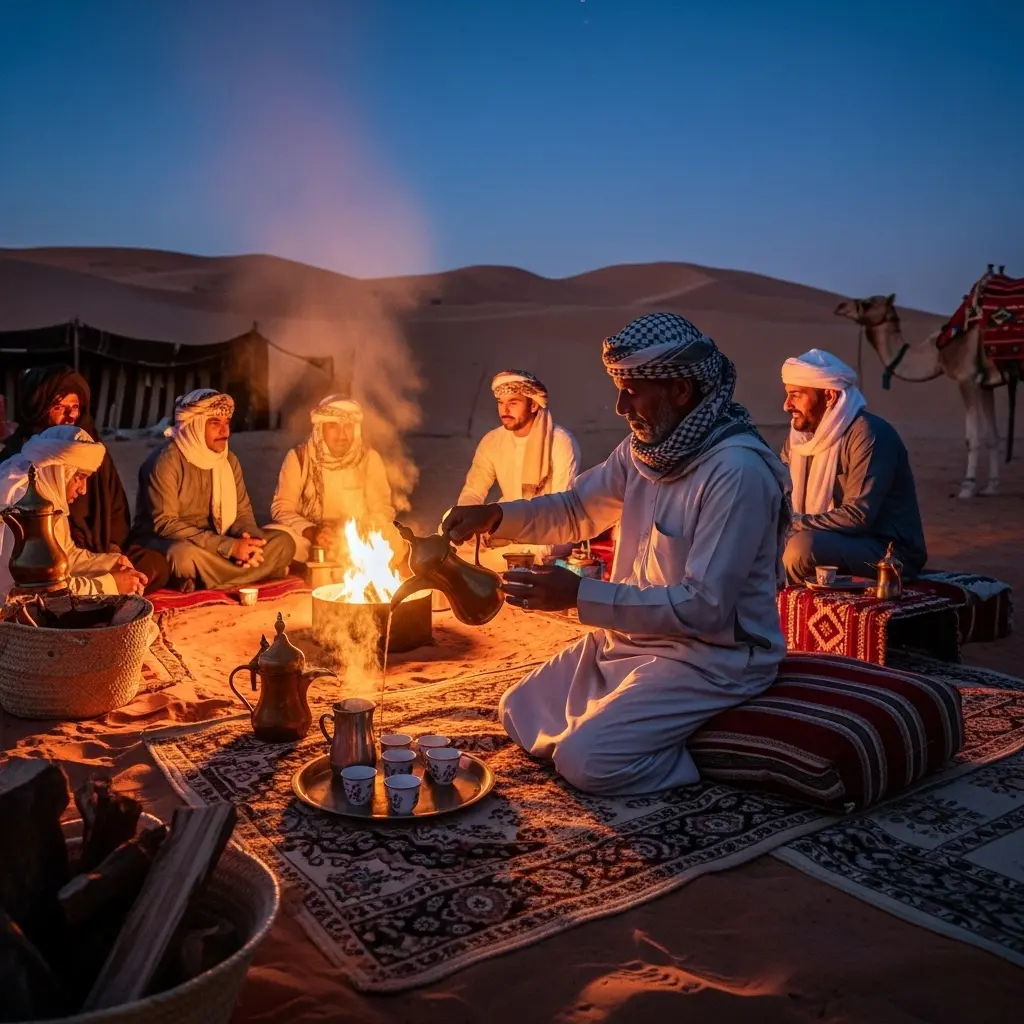
The host or the youngest son usually stands while serving, as part of Coffee Culture Secrets. This is a sign of humility and service. The server holds the dallah in the left hand and the small, handleless cups (finjan) in the right.
Guests are served in a specific order. According to Coffee Culture Secrets, the most elderly or prominent guest receives the first cup. Then, the service continues to the right. This clockwise motion is a standard rule in all Arabian social gatherings, ensuring no one is overlooked.
Comparison of Coffee Traditions
| Feature | Arabian Gahwa | Western Espresso |
| Roast Level | Very Light / Golden | Dark / Oily |
| Spices | Cardamom, Saffron, Cloves | None |
| Filtering | Natural Palm Fiber | Paper or Metal Filter |
| Service | Small cups, multiple refills | Single large serving |
| Symbolism | Hospitality and Honor | Energy and Speed |
The Language of the Finjan
One of the most fascinating Coffee Culture Secrets is the non-verbal communication between the guest and the server. Because the cups are small, they are meant to be refilled several times.
When a guest wants a refill, they simply hold out their cup. If they have had enough, they gently shake the finjan from side to side before handing it back. This “shake” is a vital part of Coffee Culture Secrets, signaling that the guest is satisfied and grateful.
Filling the cup only one-third of the way is another of the Coffee Culture Secrets. This is a polite gesture that encourages the guest to stay longer. If a host fills the cup to the top, it is a subtle hint that the host is busy and the guest should drink quickly and leave.
Dates as the Perfect Companion
You cannot have Coffee Culture Secrets without dates. Because Arabian coffee is bitter and lacks sugar, the sweetness of the date provides the perfect balance. This pairing is a staple of every desert welcome.
In Coffee Culture Secrets, the variety of dates served can indicate the region of the host. From the soft, caramel-like Sukari to the firm Ajwa, each date has a history of its own. The host often presents the dates first, allowing the guest to settle in before the coffee arrives.
The removal of the date pit is done with care. Guests are taught to place the pit discreetly aside. This level of etiquette is part of the broader Coffee Culture Secrets that make a desert safari such a refined cultural experience.
Gender Roles in Coffee Preparation
While the public service of coffee is often seen as a male role, the internal Coffee Culture Secrets involve the whole family. Women are often the ones who select the beans and manage the spice blends in the private quarters.
In a family tent, women host their own coffee gatherings. The Coffee Culture Secrets in the female quarters are just as rigorous as those in the men’s Majlis. It is a time for women to share news, arrange marriages, and discuss tribal matters.
The transmission of these Coffee Culture Secrets happens through the mother to the daughters. Girls learn the scent of perfectly roasted cardamom and the exact timing of the boil long before they are expected to host their own guests.
Diplomacy and Conflict Resolution
Historically, Coffee Culture Secrets played a role in tribal politics. If a guest had a request or a grievance, they would sometimes place their cup on the ground without drinking. This was a silent signal that they needed a favor.
The host would then ask what was wrong. Once the host promised to help, the guest would drink the coffee. This part of Desert Hospitality Customs turned the simple act of drinking into a binding contract of honor and support.
Even today, in modern UAE business, Coffee Culture Secrets are used to soften negotiations. A meeting that starts with coffee is one that values the relationship over the transaction. It is the “social lubricant” of the Middle East.
Modern Safaris and Heritage Preservation
As tourism has grown, Coffee Culture Secrets have become a central attraction. Desert camps across Dubai compete to offer the most authentic coffee experience to international visitors.
Operators like https://royaldesertadventures.ae/ invest heavily in training their staff to perform these rituals correctly. When a tourist sees the coffee being poured from a height, they are witnessing a tradition that has survived for millennia.
For those interested in the history of these desert camps, https://dubaidesertsafarie.com/ provides excellent background on how these settlements functioned. The coffee hearth was always the physical and social center of the camp.
Another great resource for cultural education is https://htdesertsafari.com/. They focus on the “why” behind the rituals, helping guests understand that Coffee Culture Secrets are not just for show, but a way of life.
For internal insights into our specific heritage programs, check out https://saharadesertsafaridubai.com to see how we are keeping the flame of the coffee hearth alive for future generations.
The Architecture of the Coffee Hearth
The place where the coffee is made, known as the “Wijar,” is a specific architectural feature in Coffee Culture Secrets. It is often a recessed pit in the ground, lined with clay or stone to hold the hot embers of the fire.
In Coffee Culture Secrets, the arrangement of the pots around the fire is precise. The “Dallah” for boiling is kept closest to the heat, while the “Dallah” for serving is kept on the warm sand nearby. This ensures the coffee is always at the perfect temperature for the guest.
The smoke from the fire is also considered part of the ambiance. In the cold desert nights, the warmth of the hearth and the aroma of the coffee create a sense of safety and community. This is the ultimate expression of Coffee Culture Secrets.
Global Influence of Arabian Coffee
Did you know that the word “coffee” itself comes from the Arabic “qahwah”? The Coffee Culture Secrets of the desert eventually traveled to Europe and the rest of the world, giving birth to the modern coffee shop.
While the world now drinks lattes and cappuccinos, the “source” remains the Arabian Peninsula. The Coffee Culture Secrets of the Bedouin provided the blueprint for social drinking and the idea of coffee as a medium for conversation.
International coffee connoisseurs are now returning to these roots. There is a growing global interest in “specialty” Arabian coffee, with its unique spices and light roast, as people look to rediscover the original Coffee Culture Secrets.
Sustainability in Traditional Brewing
One of the most impressive Coffee Culture Secrets is how sustainable the traditional method is. The charcoal used for the fire often comes from local desert wood like Ghaf or Samr, which burn slowly and produce little smoke.
The use of natural palm fiber for filtering and the lack of disposable cups mean that a traditional coffee ceremony produces almost zero waste. This eco-friendly side of Coffee Culture Secrets is something modern coffee chains are now trying to emulate.
By supporting traditional coffee makers in desert camps, tourists are helping to sustain a craft that is inherently green. It is a lesson in how ancient Coffee Culture Secrets can offer solutions for modern environmental challenges.
The Role of Saffron in Elite Circles
While cardamom is common, the use of saffron in Coffee Culture Secrets is a mark of high status. Saffron is the most expensive spice in the world, and adding it to the coffee is a way to honor a very important guest.
In the palaces and high-end tents of the region, the saffron gives the Gahwa a golden-yellow color. This visual element of Coffee Culture Secrets is stunning to see and provides a subtle, earthy flavor that lingers on the tongue.
Saffron also has medicinal properties in traditional Arabian thought. It is believed to improve mood and aid digestion, making it a functional as well as a luxury addition to the Coffee Culture Secrets of the elite.
The Mystery of the “Third Cup”
In some tribal traditions of Coffee Culture Secrets, there is a meaning for each cup. The first cup is “for the soul” (daif), meant to welcome the guest. The second cup is “for the sword” (saif), symbolizing the guest’s protection by the host.
The third cup is “for the guest” (kaif), which is for pure enjoyment and relaxation. Understanding these Coffee Culture Secrets helps a visitor realize that every sip has a purpose and a deep-rooted psychological meaning.
If a guest drinks beyond the third cup, it is seen as a sign of extreme comfort and friendship. In the world of Coffee Culture Secrets, this is the highest compliment a guest can pay to a host.
Training the Servers of the Future
Being a coffee server is a respected profession in the UAE. Many young Emiratis are trained in Coffee Culture Secrets through government heritage programs. They learn the posture, the pouring technique, and the social etiquette.
A server must be observant. In Coffee Culture Secrets, they must notice if a cup is empty without the guest having to ask. They must also be able to navigate the crowded Majlis with a heavy pot and small cups without making a sound.
This “silent service” is a hallmark of high-quality Coffee Culture Secrets. It shows that the host is attentive to the guest’s needs without being intrusive, a balance that takes years of practice to master.
Essential Tools for the Coffee Ritual
Mehmas: The roasting pan used to transform green beans into golden treasures.
Mihbash: The mortar and pestle that provides the rhythmic music of the camp.
Dallah: The iconic long-spouted pot that holds the boiling wisdom.
Finjan: The small, handleless cups designed for social sipping.
Mubkhara: The incense burner that scents the air during the ceremony.
Khurj: The woven bags used to store and protect the precious beans.
The Sensory Experience of the Desert Night
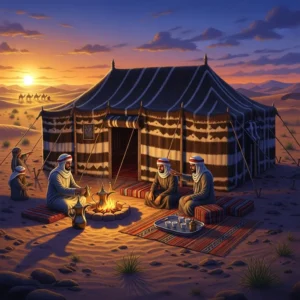
Imagine the scene: the sun has dipped below the dunes, the air has turned cool, and the stars are beginning to pop. The Coffee Culture Secrets are what bring this scene to life.
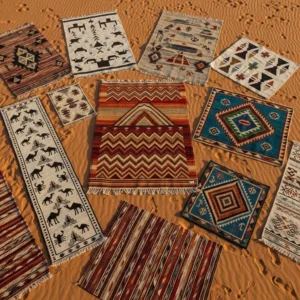
The smell of the coffee, the warmth of the fire, and the soft texture of the carpets under your feet create a total sensory immersion. This is why Coffee Culture Secrets are so effective at creating memories.
The coffee acts as a stimulant, keeping the mind sharp for the long hours of storytelling and poetry that follow. It is the fuel for the intellectual and social life of the desert, proving that Coffee Culture Secrets are vital for cultural survival.
Health Benefits of Arabian Gahwa
Beyond the social aspect, Coffee Culture Secrets include several health benefits. Because the beans are lightly roasted, they retain more antioxidants than dark-roasted coffee.
The inclusion of cardamom in Coffee Culture Secrets helps with digestion and can act as a natural breath freshener. The lack of sugar and milk makes it a low-calorie drink that is safe for almost everyone to enjoy.
Many Bedouins also believed that the spices in the coffee helped the body adapt to the extreme temperature changes of the desert. This “medicinal” side of Coffee Culture Secrets is a fascinating area of traditional Arabian knowledge.
The Psychology of the Small Cup
Why are the cups so small in Coffee Culture Secrets? It is to ensure the coffee is always drunk hot. In the open desert, a large cup of coffee would go cold quickly.
Small, frequent pours also keep the host and guest in constant interaction. Every time the host refills the cup, they are acknowledging the guest. This constant loop of giving and receiving is the core of Coffee Culture Secrets.
It also prevents the guest from over-caffeinating too quickly. The slow pace of the service ensures that the coffee is enjoyed over an hour or two, allowing for deeper conversation and a more relaxed atmosphere.
Conclusion: The Unending Pour of Hospitality
Coffee Culture Secrets are the heart and soul of the Arabian desert. They are a testament to the resilience of a culture that turned a simple drink into a complex social philosophy.
When you visit a desert camp, don’t just drink the coffee—experience it. Listen for the sound of the mihbash, watch the steam rise from the dallah, and remember the centuries of history in every small finjan.
The dunes may shift and the cities may grow, but as long as there is fire and beans, the Coffee Culture Secrets will remain. It is the eternal welcome of the desert, a golden thread that connects us all.
20 FAQs About Coffee Culture Secrets and Traditions
1. What is the main meaning behind Coffee Culture Secrets?
The main meaning behind Coffee Culture Secrets is the value of hospitality and respect. In Arabian culture, serving coffee is the ultimate sign of a host’s generosity. It signifies that the host is peaceful and ready to welcome the guest into their home. The ritual is designed to make the guest feel honored and protected, turning a simple encounter into a meaningful social bond that has been the foundation of desert life for centuries.
2. Why is Arabian coffee served in such small cups?
According to Coffee Culture Secrets, small cups ensure the coffee is always served hot and fresh. In the desert, a large cup would cool down too fast. More importantly, the small size encourages multiple refills, which keeps the host and guest in constant social interaction. Each refill is a gesture of hospitality, allowing the conversation to flow naturally over a longer period of time.
3. What spices are used in traditional Coffee Culture Secrets?
The most common spice used in Coffee Culture Secrets is green cardamom. This gives the coffee its unique floral and spicy aroma. Depending on the region and the host’s wealth, other spices like saffron (for color and prestige), cloves, or even a hint of cinnamon might be added. These spices help balance the bitterness of the lightly roasted beans and offer various health benefits.
4. Why do people shake their cup in Coffee Culture Secrets?
Shaking the cup from side to side is a non-verbal signal in Coffee Culture Secrets. It tells the server that the guest has had enough coffee and is satisfied. If the guest wants more, they simply hold the cup still for the server to refill. This silent communication allows the Majlis conversation to continue without being interrupted by verbal requests.
5. How are the beans roasted in traditional Coffee Culture Secrets?
In traditional Coffee Culture Secrets, the beans are lightly roasted over an open fire using a flat pan called a “mehmas.” They are stirred constantly with a long spoon to ensure an even, golden-brown color. Unlike Western dark roasts, Arabian coffee is roasted very lightly, which preserves more of the natural oils and the original flavor profile of the coffee bean.
6. What is the role of the “dallah” in Coffee Culture Secrets?
The “dallah” is the iconic long-spouted coffee pot used in Coffee Culture Secrets. Its design is functional; the long spout allows for a graceful pour from a height, which helps aerate the coffee. The pot also has a wide base to sit securely on the hot sand or embers of a fire, and its lid keeps the aromatic steam trapped inside until the coffee is served.
7. Why is coffee always served with dates in Coffee Culture Secrets?
Because traditional Arabian coffee is bitter and served without sugar, the sweetness of dates provides the perfect contrast. In Coffee Culture Secrets, dates are a staple food that provides quick energy to travelers. Serving them alongside coffee is a complete nutritional and sensory welcome, satisfying both the thirst and the hunger of the guest.
8. Who is served first according to Coffee Culture Secrets?
In a formal Majlis, Coffee Culture Secrets dictate that the most elderly or the most prominent guest is served first. This is a sign of respect for age and status. After the first guest, the server moves clockwise to the right, ensuring that every person in the circle is served in an orderly and respectful manner.
9. Can women participate in Coffee Culture Secrets?
Absolutely. While the public Majlis is traditionally male-dominated, women have their own Coffee Culture Secrets and social gatherings in the private sections of the home. Women are often the experts in selecting the beans and mixing the secret spice blends. The etiquette and rituals in women’s coffee circles are just as rigorous and respected as those in men’s circles.
10. What is the significance of the “mihbash” in Coffee Culture Secrets?
The “mihbash” is the mortar and pestle used to grind the coffee beans. In Coffee Culture Secrets, the sound of the mihbash is like a drumbeat that signals to the neighborhood that fresh coffee is being made. A skilled host can create a rhythmic “song” while grinding the beans, which acts as a musical invitation for others to join the gathering.
11. Why is the server always standing in Coffee Culture Secrets?
The server stands as a sign of humility and readiness to serve, which is a core part of Coffee Culture Secrets. By standing, the server shows they are attentive to every guest’s needs. Usually, it is the host or their youngest son who takes on this role, demonstrating that serving the guest is a duty of honor for the family.
12. How many cups of coffee should you drink in Coffee Culture Secrets?
While there is no strict limit, Coffee Culture Secrets often mention the “Rule of Three.” The first cup is for the soul, the second for the sword (protection), and the third for pleasure. Drinking three cups is a sign of a good guest. If you want to stop before that, it’s fine, but shaking the cup after the third is the most common way to end the ritual.
13. What happens if a guest places their cup on the ground?
In historical Coffee Culture Secrets, placing a full cup of coffee on the ground without drinking was a signal that the guest had a request or a problem they needed the host to solve. The host would not ask the guest to drink until they had promised to fulfill the request. This made coffee a powerful tool for social justice and tribal diplomacy.
14. Are there health benefits to the coffee in Coffee Culture Secrets?
Yes. Because the beans are lightly roasted, they are high in antioxidants. The addition of cardamom aids in digestion and can help lower blood pressure. Since Coffee Culture Secrets involve drinking coffee without sugar or milk, it is a healthy, low-calorie beverage that has been used for centuries to keep the mind alert and the body healthy in the heat.
15. How do you distinguish between good and bad coffee in these secrets?
In Coffee Culture Secrets, quality is judged by the clarity and color of the coffee. It should be a clear, golden-green hue, not muddy or dark. The aroma should be a balanced mix of fresh roast and cardamom. A “burnt” smell or a lack of spice indicates a poorly prepared pot, which would be an embarrassment for a traditional host.
16. Is the coffee ritual different in a modern desert safari?
Modern safaris at places like https://royaldesertadventures.ae/ try to stay as close to the original Coffee Culture Secrets as possible to give guests an authentic experience. While some logistics are modern, the use of the dallah, the serving etiquette, and the pairing with dates remain traditional to honor the heritage of the region.
17. What is the “palm fiber” used for in Coffee Culture Secrets?
A small bundle of palm fiber, called a “lif,” is placed inside the spout of the dallah. In Coffee Culture Secrets, this acts as a natural filter. It catches the larger coffee grounds and spice particles while allowing the flavorful oils and fine particles through, resulting in a cleaner cup of coffee without needing modern paper filters.
18. Why is the server’s left hand used to hold the pot?
In Coffee Culture Secrets, the server holds the dallah in the left hand so that the right hand—which is considered the “clean” hand for eating and greeting—is free to offer the finjan to the guest. This is a fundamental rule of Arabian etiquette and is strictly followed to show respect and maintain cleanliness during the ceremony.
19. Can I buy traditional coffee tools as a tourist?
Yes, you can find the dallah, mehmas, and finjan in almost every souk in Dubai. When buying, look for heavy brass or copper items, as these are traditional materials. Understanding the Coffee Culture Secrets makes these items more than just souvenirs; they become symbols of the Arabian hospitality you experienced in the desert.
20. Where can I see the most authentic coffee ceremony?
The most authentic ceremonies are found in heritage villages or during high-end desert safaris like those at https://saharadesertsafaridubai.com. These locations focus on the educational and cultural side of the experience, ensuring that every step of the Coffee Culture Secrets is performed with the respect and accuracy it deserves.