Table of Contents
Desert Sound Phenomena: Unlocking the Acoustic Secrets of the Arabian Sands
Desert Sound Phenomena represent one of the most haunting and beautiful mysteries of the natural world. Imagine sitting on a high ridge in the Dubai desert, miles from the nearest road. As the wind shifts or you begin to slide down a steep face, a low-pitched hum begins to resonate through the ground.
This specific experience of Desert Sound Phenomena is often described as “booming” or “singing.” It has terrified and enchanted travelers for centuries. For many, these sounds were once attributed to spirits or djinns dwelling in the deep dunes.
In 2026, as travelers seek more “mindful” and sensory-based adventures, the search for Desert Sound Phenomena has become a bucket-list item. It is a reminder that the desert is not just a visual masterpiece but an acoustic one as well.
Understanding the mechanics of Desert Sound Phenomena requires a look into the microscopic world of sand. Not every patch of sand can produce music. It requires a rare set of conditions found in only a few places globally, with the UAE being a primary hub.
The Physics of Acoustic Sand and Desert Sound Phenomena
Desert Sound Phenomena function like a giant musical instrument. The sound is produced by the friction between sand grains as they avalanche down a slope. When millions of grains slide together, they create vibrations that synchronize.
This synchronization is the heart of Desert Sound Phenomena. The frequency of the hum is typically low, ranging from 60 to 100 Hertz. This is similar to the lowest notes on a cello or a double bass, creating a physical vibration you feel in your chest.
Grain Size and Uniformity in Desert Sound Phenomena
For Desert Sound Phenomena to create audible sound, the grains must be remarkably similar in size. In most deserts, sand is a chaotic mix of pebbles and dust. However, in musical dunes, the wind has “sorted” the sand perfectly.
If the grains are too varied, the vibrations interfere with each other and the sound is silenced. Desert Sound Phenomena rely on “well-sorted” sand between 0.1 and 0.5 millimeters in diameter to ensure the friction remains consistent and melodic.
The Role of Shape and Texture
The shape of the individual grain is another pillar of Desert Sound Phenomena. Grains in these dunes are usually very round and smooth. This is the result of thousands of years of the wind tumbling the sand, polishing each grain into a sphere.
These smooth spheres slide past each other with minimal resistance, allowing the “stick-slip” motion that creates the hum. If the grains were jagged, they would “lock” together. It is the smoothness of the desert that allows these Desert Sound Phenomena to occur.
Comparison of Desert Sound Phenomena and Common Noises
| Sound Type | Primary Cause | Description | Frequency Range |
| Whistling Sand | Footsteps on beach | High-pitched squeak | High |
| Singing Dunes | Avalanching sand | Low-pitched hum/drone | Low |
| Booming Dunes | Large-scale slides | Deep, thunderous roar | Very Low |
| Wind Howling | Air hitting ridges | Ghostly whistling | Variable |
| Sand Spray | High-speed wind | Hissing/Static sound | Moderate |
Environmental Conditions for Desert Sound Phenomena
Desert Sound Phenomena are temperamental. Even the most musical dune will remain silent if the conditions are not perfect. The most critical factor for Desert Sound Phenomena is humidity. Sand must be extremely dry to produce music.
Moisture acts as a damper on the vibrations. Even a small amount of humidity from the morning dew can silence Desert Sound Phenomena for hours. This is why the best time to experience them is in the peak of the afternoon when the sun is hottest.
The Impact of Silica and Mineralogy
Most dunes exhibiting Desert Sound Phenomena are composed of high-purity silica sand. Silica has a specific hardness and elasticity that allows it to vibrate effectively. In the Arabian desert, the iron-oxide coating also contributes to the specific “timbre.”
The minerals act as the “strings” of the instrument. When you slide down a slope, you are literally playing the minerals of the earth. The unique mineral fingerprint of the UAE dunes is why Desert Sound Phenomena here sound different than those in the Sahara.
Surface Crust and Sand Avalanches
Musical dunes often have a thin “crust” on the surface formed by the baking sun. When you slide, you break this crust, triggering a mini-landslide. This slide is what initiates the acoustic feedback loop required for Desert Sound Phenomena.
The speed of the slide also matters. If the sand moves too slowly, the sound never reaches the threshold of human hearing. Desert Sound Phenomena require a “critical mass” of moving sand to create the deep, resonant drone that vibrates through your bones.
Where to Experience Desert Sound Phenomena in Dubai
While many dunes look identical, only a few are true homes to Desert Sound Phenomena. In the Dubai region, explorers often head toward the deeper sections of the desert near the border or toward the Liwa Oasis to find the best spots.
Liwa is home to some of the highest sand structures in the world, providing the long “slip faces” necessary for Desert Sound Phenomena. In 2026, specialized tours now focus specifically on these “Acoustic Hotspots,” leading guests to vocal dunes.
The High Slopes of Al Lahbab
The “Red Dunes” of Al Lahbab are famous for their height. While not every dune here sings, the steepness of the slopes makes it an ideal place to trigger Desert Sound Phenomena. Sliding down these dunes is the best way to test for their presence.
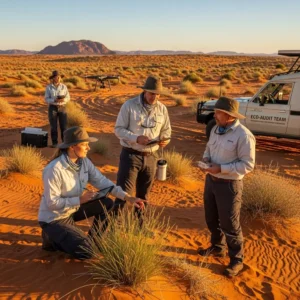
Guides who specialize in Desert Sound Phenomena often carry devices to measure the humidity of the sand. This ensures that the guests have the highest probability of hearing the music. It turns a standard tour into a scientific adventure.
The Remote Silence of Liwa and Desert Sound Phenomena
Liwa offers a level of silence necessary to fully appreciate Desert Sound Phenomena. Away from the noise of the city and the hum of 4×4 engines, the low-frequency drone is unmistakable. It is here that Desert Sound Phenomena sound most like a professional orchestra.
The isolation of Liwa allows the sound of Desert Sound Phenomena to carry for miles. Historical records from travelers mention hearing the “shouting of the dunes” in this region. These legends are the foundation of modern interest in desert acoustics.
External Resources for Acoustic Research
To learn more about the science of sound in nature during 2026, check out these resources:
Explore the physics of sand at https://dubaidesertsafarie.com/.
Discover geological maps of acoustic sites at https://royaldesertadventures.ae/.
View professional recordings of desert music at https://htdesertsafari.com/.
Cultural Legends and Desert Sound Phenomena
Before scientists explained the mechanics, the Bedouins had their own theories. Desert Sound Phenomena were often attributed to “Djinn” or desert spirits. These sounds were seen as a warning or a sign of the supernatural power of the wilderness.
These stories added to the mystery of Desert Sound Phenomena. To a lonely traveler at night, the sudden booming must have felt like the earth itself was speaking. Traditional lore regarding Desert Sound Phenomena is still a major part of storytelling today.
The “Talking” Mountains of Sand
In some legends, Desert Sound Phenomena were thought to be the ghosts of lost cities buried beneath the sand. The music was the sound of ancient inhabitants going about their lives. This romantic view has inspired poets and writers for generations.
The mystery of Desert Safari Sound Phenomena even appears in the journals of Marco Polo. He described the desert as a place of “voices and the sound of drums.” This global history shows that these sounds have been part of the human experience for millennia.
Bedouin Wisdom and Navigation
Bedouins used the sound of the wind and Desert Sound Phenomena as a navigational aid. They knew that the “voice” of the sand changed depending on wind direction and moisture. For them, these sounds were a meteorological and geographical compass.
Learning about Desert Sound Phenomena from a local guide provides a connection to this ancient wisdom. It’s not just about the science; it’s about the survival skills built around the sounds. It turns a safari into a deep history lesson.
Internal Linking for More Discovery
For a guide on how to safely climb and slide down these dunes, visit https://saharadesertsafaridubai.com/ for expert tips on desert hiking. You can also book specialized private tours to these musical locations at https://royaldesertadventures.ae/.
How to Successfully Trigger Desert Sound Phenomena
If you want to hear Desert Sound Phenomena, you have to be active. They rarely occur on their own unless there is a strong, consistent wind. The best way to experience them is to manually trigger a sand avalanche on a steep slip face.
Find a steep slope (the side sheltered from the wind). Sit at the top and slide down, or use your hands to push a large amount of sand forward. This “triggering” is the secret to hearing Desert Sound Phenomena on command.
The Best Time of Day for Desert Sound Phenomena
As mentioned, dryness is key. The best time for Desert Sound Phenomena is typically between 1:00 PM and 4:00 PM. This is when the sun is at its peak and the sand is driest. Morning or evening moisture will often dampen the acoustic potential.
Check the weather forecast before you go. If it has rained recently, the Desert Sound Phenomena will be silent for several days. The sand needs time to “breathe” and dry out before it can resonate again. Patience is a virtue when hunting for sound.
The Silent Approach to Desert Sound Phenomena
To hear the subtle drone, you need total silence. Turn off your vehicle and walk away from the main camp. The “sound floor” of the desert is incredibly low, which allows the subtle frequencies of Desert Sound Phenomena to become clear.
Wear soft-soled shoes or go barefoot. This allows you to feel the vibrations of Desert Sound Phenomena through your feet as well as hear them. It is a full-body sensory experience that defines the magic of the deep Arabian desert.
The Role of Sand Grain Microscopy
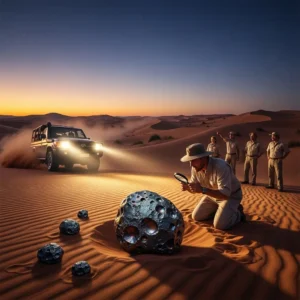
If you look at sand from musical dunes under a microscope, the difference is clear. While regular sand grains are pitted, grains from Desert Sound Phenomena sites are smooth and spherical. This “micro-polishing” is essential for the music.
Researchers use these microscopic images to identify potential Desert Sound Phenomena from satellite data. The way the sand reflects light tells scientists about the grain shape, which in turn tells them if the site will produce sound.
The Impact of Dust and Pollution
Even a small amount of dust can silence Desert Sound Phenomena. Fine dust particles fill the gaps between sand grains, increasing friction and preventing the synchronization of vibrations. This is why these sounds are usually found in remote areas.
Pollution from nearby cities can also affect the “purity” of the sand. This makes the conservation of the deep desert vital for the preservation of Desert Sound Phenomena. In 2026, several areas have been designated as “Acoustic Reserves” to protect them.
Saltation and Acoustic Energy
Saltation is the process of sand grains “leaping” across the surface. This movement is the precursor to the avalanche that creates Desert Sound Phenomena. When grains land, they kick up other grains, building the energy needed for resonance.
This chain reaction is what gives Desert Sound Phenomena their “buildup.” The sound doesn’t start all at once; it grows from a whisper to a roar as more sand becomes involved. It is a beautiful display of physical energy transforming into acoustic art.
Modern Research into Desert Sound Phenomena in 2026
Scientists in Dubai and around the world are still studying Desert Sound Phenomena to understand the limits of acoustic synchronization. New sensors are being placed on the dunes to record these sounds with high fidelity for study.
This research has applications beyond the desert. Understanding how granular materials create sound can help engineers design better industrial equipment and even predict landslides. Desert Sound Phenomena are a laboratory for complex physics.
High-Fidelity Recordings and Meditation
In 2026, “Sound Tourism” has grown, and high-fidelity recordings of Desert Sound Phenomena are used in meditation apps. The steady, low drone is said to be incredibly grounding and calming for the human mind, similar to “brown noise.”
Visiting Desert Sound Phenomena in person is the ultimate version of this therapy. The physical sensation of the earth vibrating beneath you as the dunes roar is a powerful form of natural healing. It is a reminder of our connection to the physical world.
Simulating Desert Sound Phenomena in the Lab
Researchers have tried to recreate Desert Sound Phenomena in the lab by using large rotating drums filled with sand. While they can produce some sound, they have never quite matched the volume and richness of natural dunes.
This shows that the scale of the desert is a necessary component. You need the vast slopes and open air for Desert Sound Phenomena to reach their full potential. The desert itself is the amplifier for the music produced by the sand.
Why Some Dunes Remain Silent
It can be frustrating to find a perfect-looking dune and have it remain silent. The “Silence of the Dunes” is often due to microscopic layers of clay or organic matter on the grains. This layer increases friction and stops the Desert Sound Phenomena.
Even in a desert as clean as Dubai’s, the environment is constantly changing. A sandstorm can bring in “dirty” sand that silences a vocal ridge for weeks. The Desert Sound Phenomena are a fragile gift that requires perfect conditions.
The Angle of Repose in Desert Sound Phenomena
Sand will only slide when the slope is steeper than the “angle of repose,” which is usually around 34 degrees. If the wind has flattened the dune, the sand will not avalanche, and the Desert Sound Phenomena will be quiet.
To hear the music, you must find the steep “slip face.” This is the side of the dune where the wind has deposited sand at its maximum stable angle. This is the “sweet spot” for triggering the mysterious Desert Sound Phenomena.
The Depth of the Sand Layer
You also need a significant depth of sand for the sound to resonate. If the sand layer is too thin over solid rock, the vibrations are absorbed by the ground. Desert Sound Phenomena require a “resonance chamber” of deep, soft sand to amplify the sound.
The massive dunes of the Empty Quarter are perfect for this. The sand there can be hundreds of meters deep, providing the ideal volume for Desert Sound Phenomena to create their thunderous roars. It is the world’s largest acoustic stage.
Exploring the Varieties of Desert Sound Phenomena
Not all sounds in the desert are the same. “Whistling sand” is a higher-pitched sound often found on beaches. True Desert Sound Phenomena of the deep dunes are much lower and more thunderous, often shaking the ground itself.
These variations are caused by the specific mineralogy of the site. In the Dubai desert, the red sand has a different acoustic signature than the white sand. Each region has its own “voice,” contributing to the diversity of Desert Sound Phenomena.
The Impact of Sand Hardness
The hardness of the quartz grains affects the “pitch” of the Desert Sound Phenomena. Harder grains produce a slightly higher-pitched hum, while softer grains create a deeper drone. This mineral “tuning” is what gives each dune its unique character.
When you visit multiple sites, you will notice these subtle differences. It is like visiting different concert halls. Each location has its own acoustic personality, making every Desert Sound Phenomena discovery a new experience.
Temporal Changes in Desert Sounds
The sound of the desert can even change based on the time of year. In the winter, the air is denser, which can affect how Desert Sound Phenomena travel through the atmosphere. In the summer, the extreme dryness can make the sounds sharper.
Following the seasonal changes in Desert Sound Phenomena is a hobby for many local enthusiasts. It shows that the desert is not a static place; it is a living system that responds to the cycles of the earth and the sun.
Conservation of Acoustic Heritage
As Dubai grows, protecting the “Acoustic Heritage” of the desert is becoming more important. Noise pollution from construction or heavy traffic can drown out the subtle Desert Sound Phenomena that make the wilderness special.
Conservationists are working to create “Quiet Zones” where human-made noise is restricted. This protects the natural Desert Sound Phenomena for future generations. It is an effort to save the “voice” of the Arabian desert.
Sustainable Safari Practices
Choosing an eco-friendly safari operator is a great way to support this conservation. These operators use designated tracks and respect the silence of the desert. They understand that Desert Sound Phenomena are a resource that must be managed.
Educating guests about the importance of silence is part of the experience. The more people who value Desert Sound Phenomena, the more likely we are to protect them. Every visitor has a role in preserving the music of the sand.
The Future of Sound Tourism
In the future, we may see “Sound Walk” itineraries that focus specifically on the auditory wonders of the desert. These tours would be led by acoustic ecologists who can explain the Desert Sound Phenomena in great detail.
This shift toward experiential and educational travel is a positive trend for 2026. It moves us away from high-impact activities and toward a deeper appreciation of the natural world. Desert Sound Phenomena are the perfect catalyst for this change.
Conclusion: Hearing the Heartbeat of the Sands
Desert Sound Phenomena are more than just a scientific curiosity; they are the voice of the Arabian wilderness. They remind us that the earth is full of wonders that we are only beginning to understand. Hearing the music of the dunes is a life-changing experience.
Whether you are a scientist or a curious traveler, these sounds offer a connection to the raw power of nature. They demand our respect and our protection. As we explore the Dubai desert in 2026, let us listen to the stories told by the sand.
Next time you are on a safari, leave the noise behind and head for the high ridges. Take a slide, close your eyes, and listen. The Desert Sound Phenomena are waiting to share their song with you. It is a performance you will never forget.
20 FAQs about Desert Sound Phenomena
What do Desert Sound Phenomena actually sound like?
The most famous of the Desert Sound Phenomena, the “singing sands,” sound like a low-frequency hum or drone. It is often compared to a low-pitched cello, a swarm of bees, or a distant airplane engine. It is a deep, resonant vibration that you can often feel in your feet as much as you can hear with your ears.
Can I find Desert Sound Phenomena at the beach?
While beaches have “whistling” sand, true “booming” Desert Sound Phenomena are found only in the deep desert. The physics of whistling sand (high-pitched squeaks) is different from the resonant, low-frequency hum produced by the massive slopes and specific dry sand found in the Arabian dunes.
Is it safe to slide down dunes to hear Desert Sound Phenomena?
Yes, it is perfectly safe. The sand avalanches that trigger Desert Sound Phenomena are surface-level and small. However, always be mindful of the heat. In the afternoon, the sand can be very hot, so wearing protective clothing or using a sandboard is recommended to avoid burns while exploring.
Do I need special equipment to hear Desert Sound Phenomena?
No special equipment is needed, but total silence is essential. To hear the subtle Desert Sound Phenomena, you should turn off all vehicles and walk away from large groups. Your ears are the best tools, although some researchers use stethoscopes to capture the deep vibrations within the sand.
Why don’t Desert Sound Phenomena happen at night?
They can, but it is rare because of humidity. At night, moisture from the air settles on the sand grains. This moisture creates a “sticky” layer that prevents the grains from vibrating freely, effectively silencing the Desert Sound Phenomena until the sun dries them out again the next day.
Are Desert Sound Phenomena only found in Dubai?
No, they are found in about 30 locations worldwide, including the Sahara and the Gobi. However, the Arabian desert has some of the most vocal and well-documented Desert Sound Phenomena due to the high purity and roundness of the sand grains in the region.
Does sand color affect Desert Sound Phenomena?
Not directly. The color of the sand is usually due to mineral coatings like iron oxide. While these minerals can slightly change the “timbre” of the sound, the ability to produce Desert Sound Phenomena depends more on the grain size, shape, and dryness than the color itself.
Can the wind make the dunes sing without humans?
Yes. A strong, steady wind can push enough sand over the crest of a dune to trigger a natural avalanche. Historically, these spontaneous Desert Sound Phenomena were often the source of legends about ghosts or djinns in the desert, as the dunes seemed to speak on their own.
How loud can Desert Sound Phenomena get?
They can be surprisingly loud! Some large-scale sand avalanches have produced Desert Sound Phenomena reaching over 100 decibels. This is roughly the same volume as a power tool. In the quiet of the deep desert, these sounds can be heard for several miles.
Is there a specific “Singing Sand” season for Desert Sound Phenomena?
In the UAE, the best season is the transition between winter and summer (October to April) when the air is dry but the temperatures are not yet extreme. However, the heat of the summer actually makes the sand drier and more likely to exhibit Desert Sound Phenomena, if you can handle the heat.
How can I identify a “singing” dune by looking at it?
Look for dunes with a very sharp, steep “knife-edge” crest and a smooth, untouched slip face. If the sand looks powdery and fluid, it is more likely to host Desert Sound Phenomena. Dunes with a lot of vegetation or visible salt crusts are usually silent because the friction is disrupted.
Do I need a professional guide to find Desert Sound Phenomena?
While you can find them on your own, a guide saves you hours of searching. They know the current moisture levels and the specific locations that have been “active” recently. A guide can also help you with the best technique to trigger the Desert Sound Phenomena safely and effectively.
Can the sound be used for anything practical?
In 2026, researchers are using the study of Desert Sound Phenomena to understand granular materials. This has applications in industrial engineering (grain silos), pharmaceuticals, and even predicting natural disasters like landslides. The dunes are a giant natural laboratory for acoustic physics.
Why does the sound stop immediately when the sand stops moving?
The sound is produced by the kinetic energy of the moving sand. Specifically, the “stick-slip” friction of grains sliding past each other. Once the sand settles and is still, there is no more vibration, and the Desert Sound Phenomena fall back into their natural state of silence.
Can I record Desert Sound Phenomena on my phone?
Yes, but you need a good microphone. Most phone mics are designed for voice and may cut out the low-frequency drone of Desert Sound Phenomena. Placing your phone directly on the sand while a slide is happening can help capture the physical vibrations more effectively than recording through the air.
Is the sand in musical dunes different from construction sand?
Very much so. Construction sand is often jagged and mixed with silt to help it bond. Sand that produces Desert Sound Phenomena is too smooth and round for most construction purposes because it doesn’t “lock” together. This helps protect these musical dunes from being mined for building materials.
What is the “whistling” sand found on some beaches?
Whistling sand is caused by high silica content and a specific moisture layer. When you step on it, the air is squeezed out quickly, creating a high-pitched squeak. It is a completely different physical process than the resonant, low-frequency booming of the deep Desert Sound Phenomena.
Are there any myths about Desert Sound Phenomena in the UAE?
Yes, local Bedouin legends often spoke of the “Voice of the Desert.” It was believed that the dunes were singing to communicate with each other or to warn travelers of approaching sandstorms. These stories reflect the deep respect that the desert people had for the mysterious power of the sand.
Can I take “musical sand” home in a jar?
You can take the sand, but it won’t sing in a jar. For Desert Sound Phenomena to occur, you need the massive scale of an avalanche and a large volume of sand to create resonance. In a small container, there isn’t enough friction or space to create the audible frequencies that define the phenomena.
What is the best way to get to the singing dunes?
The best way is a private 4×4 safari. This allows you to go off the main tourist tracks and find the remote, pristine dunes that are most likely to host Desert Sound Phenomena. Ensure you go with an operator who respects the environment and knows the value of the “acoustic heritage” of the desert.
Would you like me to find the current humidity levels for the Liwa desert to see if the dunes will be singing this weekend?