Table of Contents
Camel Training Secrets: The Heart of the Arabian Desert Experience
Camel Training Secrets form the foundation of every successful journey into the golden dunes. For centuries, the camel has been the soul of the desert. Without these resilient creatures, survival in the harsh Arabian landscape would have been impossible. Today, they remain the most iconic part of the tourism industry.
The process of Camel Training Secrets is not a modern invention. It is a legacy passed down through generations of Bedouin families. These experts understand the psychology of the camel better than anyone else. They treat these animals not just as workers, but as respected members of the desert community.
Understanding Camel Training Secrets requires a deep dive into the nature of the Dromedary. These one-humped camels are known for their intelligence and endurance. However, they also have strong personalities. Training them for a safari requires patience, consistency, and a very gentle hand.
The Initial Selection and Bonding Phase
Every journey into Camel Training Secrets starts with selection. Not every camel is suited for the life of a safari animal. Trainers look for specific physical traits and a calm temperament. A young camel must be healthy, strong, and curious about humans.
The bonding phase is the most critical part of Camel Training Secrets. A trainer spends hours simply sitting near the camel. This allows the animal to get used to the human scent and voice. Trust is the primary currency in the desert. Without trust, no amount of technical training will work.
During this stage of Camel Training Secrets, trainers use vocal cues. Camels respond well to low, rhythmic sounds. By associating specific sounds with food and water, a bond is established. This phase can take several months before the actual physical training begins.
Physical Conditioning for the Dunes
Once trust is established, Camel Training Secrets move toward physical readiness. Walking on soft sand is different from walking on gravel or hard ground. Camels must develop the muscle strength to carry weight over shifting dunes.
Gradual loading is a key part of Camel Training Secrets. Trainers start by placing light blankets on the camel’s back. Over time, the weight is slowly increased. This ensures the camel does not feel overwhelmed or frightened by the sensation of carrying a load.
The gait of the camel is unique. Known as the “ship of the desert,” they move both legs on one side simultaneously. Camel Training Secrets involve guiding the camel to maintain a steady pace. This is essential for guest comfort during a desert safari trek.
Mastering the Art of Sitting and Standing
One of the most complex Camel Training Secrets is teaching the “Khoukh” or the sitting command. For a guest to mount a camel, the animal must fold its legs in a specific sequence. This requires immense trust and coordination.
Trainers use gentle pressure on the neck or specific verbal commands. In the world of Camel Training Secrets, the goal is to make the movement natural. A camel should never feel forced to sit. Instead, it should understand that sitting is a rest period.
Standing up is equally important in Camel Training Secrets. A camel rises with its back legs first, which can be jarring for an inexperienced rider. Trainers work with the camels to make this transition as smooth as possible, ensuring a safe experience for tourists.
Socialization and Group Dynamics
Camels are social animals. However, in a safari setting, they must walk in close proximity to other camels and many strangers. Camel Training Secrets include socialization exercises where camels are introduced to large groups of people.
Exposure to noise is a vital part of Camel Training Secrets. Safaris can be loud, with music, laughter, and the sound of 4×4 engines. Camels are gradually exposed to these sounds in a controlled environment so they do not startle in the field.
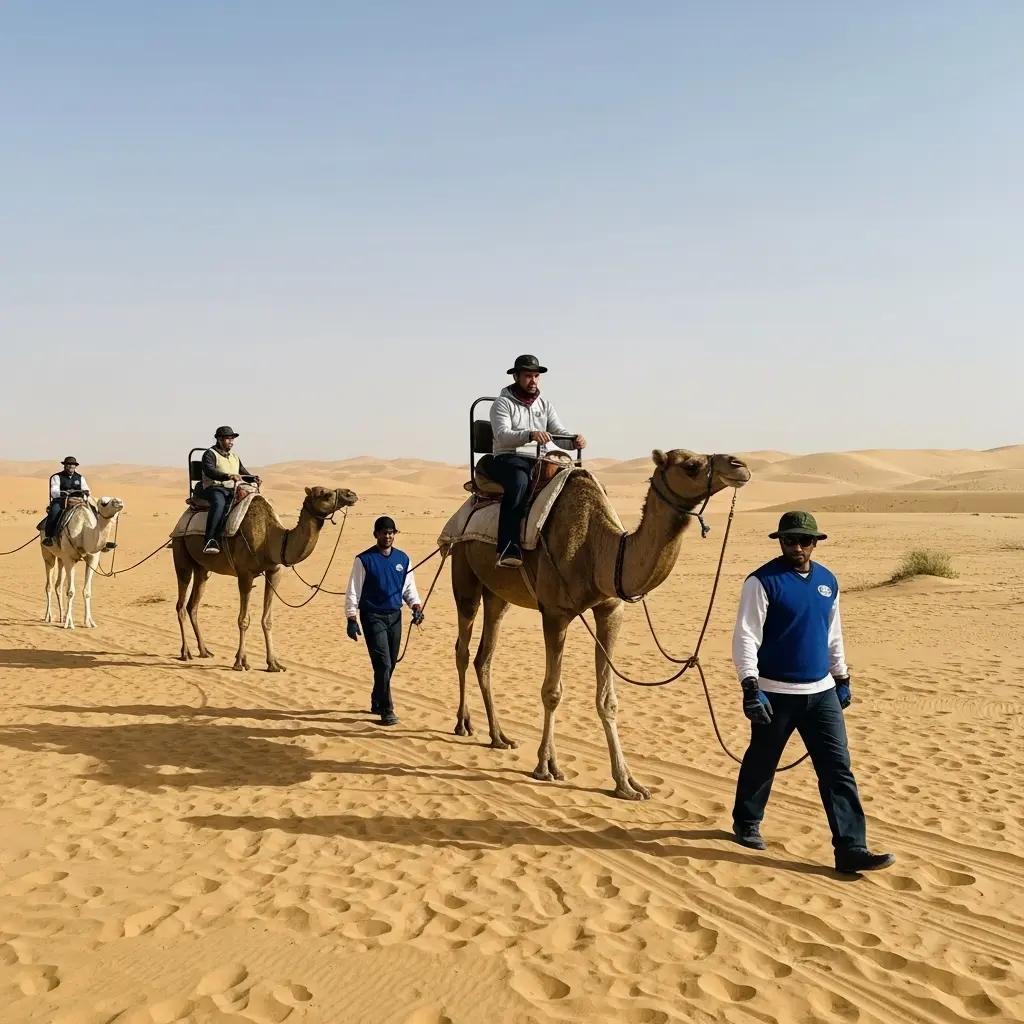
Walking in a caravan is another skill taught through Camel Training Secrets. Camels are natural followers, but they must be taught to maintain a safe distance from the animal in front of them. This discipline prevents tangling of leads and ensures a peaceful ride for everyone.
Comparison of Training Methods
| Training Phase | Traditional Bedouin Method | Modern Safari Method |
| Bonding | Life-long family integration | Professional handler bonding |
| Food | Natural desert grazing | Balanced nutritional diets |
| Commands | Dialect-specific vocal cues | Standardized verbal/touch cues |
| Socialization | Tribal group movement | Multi-caravan group training |
Nutritional Requirements and Health Care
The success of Camel Training Secrets depends heavily on the health of the animal. A camel that is not feeling well cannot be trained effectively. In the UAE, safari camels receive world-class veterinary care.
Nutrition plays a huge role in Camel Training Secrets. Trainers provide a mix of alfalfa, barley, and dates. This diet provides the energy needed for trekking while keeping the camel’s coat healthy and its energy levels stable.
Hydration management is part of the Camel Training Secrets curriculum. While camels can go long periods without water, safari animals are offered water regularly. Trainers learn to read the signs of dehydration long before they become visible to the untrained eye.
Ethical Treatment and Welfare Standards
In recent years, Camel Training Secrets have evolved to include strict welfare standards. The UAE government has implemented regulations to ensure that no animal is overworked. Training now focuses heavily on positive reinforcement.
Punishment is never used in modern Camel Training Secrets. Instead, trainers use rewards like dates or gentle scratching. This creates a happy animal that is eager to work and interact with guests. This ethical approach is what makes Dubai safaris world-leading.
Rest periods are a non-negotiable part of Camel Training Secrets. Every animal has a set number of hours it can work. Trainers are taught to monitor the camel’s heart rate and breathing to ensure they are always within a healthy range.
The Role of the Camel Handler
The handler is the bridge between Camel Training Secrets and the guest. These individuals must be as well-trained as the camels themselves. They must understand the mood of the animal at all times.
Communication skills are taught alongside Camel Training Secrets. Handlers must be able to explain the camel’s behavior to guests. This educational aspect enriches the safari and helps guests feel more connected to the desert heritage.
Safety training for handlers is integrated into Camel Training Secrets. They learn how to position themselves during the mount and dismount process. This ensures that even if a camel makes a sudden movement, the guest remains secure.
Environmental Stewardship in Training
The desert is a fragile home. Camel Training Secrets also involve teaching handlers how to move through the dunes without damaging the local flora. Camels are much more eco-friendly than vehicles, making them the stars of sustainable tourism.
Trainers emphasize the importance of using established tracks. This part of Camel Training Secrets protects the nesting sites of desert birds and the burrows of small mammals. It is a holistic approach to desert management.
Waste management is another practical side of Camel Training Secrets. Trainers ensure that the desert remains pristine. This commitment to cleanliness is a hallmark of the high-quality safaris found in the region.
External Resources and Partners
To experience the results of these Camel Training Secrets, you should look for operators who prioritize animal welfare. You can find exceptional trekking experiences at https://royaldesertadventures.ae/ where tradition meets luxury.
For those interested in the history of these animals, https://dubaidesertsafarie.com/ offers deep insights into how the desert safari industry has grown while maintaining its roots.
Another leader in the field of heritage and education is https://htdesertsafari.com/. They provide detailed information on the cultural significance of the camel in the UAE.
For internal details on our specific tour standards and how we implement these techniques, visit https://saharadesertsafaridubai.com/ to learn more about our commitment to excellence.
Advanced Behavioral Training Techniques
Some camels are trained for more than just riding. Camel Training Secrets also apply to camels used in traditional racing or beauty pageants. These animals require even more specialized care and conditioning.
Temperament testing is a continuous part of Camel Training Secrets. A camel’s personality can change as it matures. Trainers regularly assess each animal to see if it is still comfortable with its role in the safari camp.
Desensitization to touch is a huge part of Camel Training Secrets. Since guests often want to pet the camels or take photos, the animals must be comfortable with human contact. Trainers spend months gently touching the camel’s head, neck, and hump to normalize this interaction.
The Importance of the Camel Saddle
The equipment used is just as important as the Camel Training Secrets themselves. A poorly fitting saddle can cause pain and lead to behavioral issues. In the UAE, saddles are custom-made for comfort.
Trainers are taught how to fit a saddle properly as part of their Camel Training Secrets. The weight must be distributed evenly across the camel’s ribcage, avoiding any pressure on the spine. This ensures the camel can carry a rider for long distances without discomfort.
Padding materials have also evolved. Modern Camel Training Secrets utilize breathable fabrics and high-quality foam alongside traditional wool. This keeps the animal cool and prevents skin irritation during the hot desert days.
Cultural Significance of Camel Names
In the world of Camel Training Secrets, every animal has a name and a story. Naming a camel is a sign of respect. These names often reflect the camel’s color, speed, or personality.
Trainers use the camel’s name constantly during Camel Training Secrets. This helps the animal recognize when it is being spoken to. It creates an individual connection that is vital for managing a large herd during a busy safari season.
Guests are often introduced to the camels by name. This part of Camel Training Secrets helps bridge the gap between human and animal. It reminds everyone that the camel is a living, breathing partner in the desert adventure.
Preparing for Night Safaris
Training a camel for a night trek requires additional Camel Training Secrets. The desert looks very different under the moonlight, and shadows can be long and strange.
Camels have excellent night vision, but they still need to be confident. Camel Training Secrets for the night involve walking the trails at dusk to get the animals accustomed to the changing light.
Safety lighting is sometimes used for the handlers. Part of the Camel Training Secrets is ensuring the camels are not spooked by flashlights or glowing gear. This allows for a magical, safe journey under the Arabian stars.
The Science of Camel Communication
Camels communicate through a variety of sounds, including grunts, bellows, and moans. Camel Training Secrets involve learning what each sound means. A trainer can tell if a camel is annoyed, hungry, or perfectly content.
Body language is another key area of Camel Training Secrets. A flick of the ear or a tail wag can tell a story. Trainers are experts at reading these subtle signs to prevent any issues before they occur.
By understanding the “language” of the camel, trainers can refine their Camel Training Secrets. It becomes a two-way conversation rather than a set of commands. This level of communication is the gold standard in desert hospitality.
Sustainable Breeding and Future Generations
The Camel Training Secrets of the future depend on responsible breeding today. Safari operators work with specialized farms to ensure the genetic health of the herds.
Foal training starts early but gently. These young animals observe the adults, learning the basics of Camel Training Secrets through imitation. This natural learning process makes the formal training much easier later in life.
By protecting the lineage of the Arabian camel, the UAE ensures that Camel Training Secrets will be passed down for centuries to come. It is a commitment to the past and the future of the nation.
Essential Camel Care Checklist
Daily Grooming: Removing sand and dust to keep the coat healthy and shiny.
Hoof Checks: Ensuring the soft pads are free from thorns or sharp stones.
Fresh Water: Providing clean, cool water multiple times a day.
Social Time: Allowing camels to interact and play with their herd members.
Health Scans: Regular check-ups by specialized desert veterinarians.
Rest Cycles: Guaranteed time off after every trekking session.
The Impact of Camel Safaris on Tourism
The Camel Training Secrets we see today have transformed the tourism landscape. What was once a local tradition is now a global attraction. Millions of people visit Dubai specifically to experience the desert on a camel’s back.
This demand has led to higher standards across the board. The Camel Training Secrets have become more professionalized, leading to better lives for the animals and better experiences for the guests.
Camel safaris are often the highlight of a trip. The slow pace allows for a deeper connection with the environment. Thanks to Camel Training Secrets, this ancient mode of transport remains relevant in a world of high-speed travel.
Understanding Camel Psychology
A common misconception is that camels are stubborn. In reality, as Camel Training Secrets show, they are simply cautious. They need to feel safe before they commit to an action.
Positive reinforcement is the answer to this caution. By using treats and praise, Camel Training Secrets turn a cautious animal into a confident partner. This psychological approach is far more effective than traditional methods.
Patience is the most important virtue for any trainer. You cannot rush Camel Training Secrets. Every animal learns at its own pace, and the trainer must be willing to wait for the camel to feel ready.
Conclusion: The Legacy of the Desert
The world of Camel Training Secrets is a fascinating blend of history, science, and heart. It is a testament to the enduring bond between humans and animals in one of the world’s most extreme environments.
As you plan your next desert safari, take a moment to appreciate the work that goes into the Camel Training Secrets. Behind every peaceful ride is months of dedication and a deep-rooted respect for the “ship of the desert.”
The desert is calling, and the camels are ready. Thanks to these timeless Camel Training Secrets, your journey into the sands will be safe, educational, and truly unforgettable. Embrace the tradition and enjoy the ride.
20 FAQs About Camel Training Secrets and Safari Prep
1. Why are Camel Training Secrets so important for a desert safari?
Camel Training Secrets are the foundation of safety and guest satisfaction. Without professional training, camels would be unpredictable in a tourist environment. Training ensures the animals are comfortable with humans, loud noises, and the physical demands of carrying riders. It also focuses on the health and happiness of the animal, which is essential for an ethical and sustainable tourism industry.
2. How long does it take to train a safari camel?
The initial process for Camel Training Secrets usually takes between six months to a year. This depends on the individual camel’s personality. Bonding starts first, followed by basic commands, and finally social training. Even after they start working, camels are continuously monitored and receive “refresher” training to ensure they remain calm and responsive.
3. Do camels enjoy being part of a desert safari?
When Camel Training Secrets are based on positive reinforcement, camels are very content. They are social animals that enjoy the stimulation of the herd and human interaction. In a well-managed camp, they receive better food, water, and medical care than they would in the wild, leading to a high quality of life.
4. What is the most difficult command in Camel Training Secrets?
The “sit” command, or “Khoukh,” is often considered the most complex part of Camel Training Secrets. It requires the camel to move its massive weight in a specific, balanced way. Trainers must be incredibly patient, as the camel needs to feel completely safe to fold its legs and become vulnerable on the ground.
5. How do trainers ensure guests are safe during the ride?
Safety is a core part of Camel Training Secrets. Handlers are trained to stay by the camel’s head at all times. They also teach guests how to hold the saddle and shift their weight during the mount and dismount. The camels themselves are desensitized to sudden movements and noises to prevent them from startling.
6. What do safari camels eat as part of their training?
Diet is a huge part of Camel Training Secrets. They are fed a high-protein mix of alfalfa, hay, barley, and occasional dates as treats. This keeps their energy levels high and their humps—which store fat—full and healthy. Access to clean, mineral-rich water is also provided daily.
7. Are there age limits for camels in the safari industry?
Yes, Camel Training Secrets emphasize that camels should only start carrying riders when they are physically mature, usually around 5 years old. Similarly, older camels are “retired” from heavy work and may spend their days in the camp for photos or education, ensuring they are not overworked in their senior years.
8. How do camels stay cool during the training process?
Camels are naturally built for the heat, but Camel Training Secrets still prioritize their comfort. Training usually happens in the early morning or late afternoon. Camps are equipped with shaded areas and misting systems to help the animals stay cool during the peak heat of the day.
9. Can anyone become a camel trainer?
Technically yes, but the best Camel Training Secrets are held by those who have lived with camels their entire lives. Most handlers in Dubai come from backgrounds where camel care is a family tradition. They have an intuitive understanding of animal behavior that is hard to teach in a classroom.
10. Do Camel Training Secrets involve any modern technology?
Yes, modern Camel Training Secrets often use GPS tracking to monitor the animals’ movements and health sensors to track their heart rates. Veterinary care also uses advanced ultrasound and blood testing to ensure the camels are in peak condition before and during the safari season.
11. What happens if a camel is too nervous for the safari?
Not every camel is meant for the limelight. Part of Camel Training Secrets is identifying when an animal is not a good fit for tourist interaction. If a camel remains nervous or shy, it is moved to a different role, perhaps on a breeding farm or a private estate where there is less human traffic.
12. How do camels communicate with their trainers?
Camels use sounds and body language. A trainer skilled in Camel Training Secrets can tell the difference between a grunt of contentment and a moan of annoyance. They also watch the ears and tail; for example, a camel with its ears back might be feeling stressed, signaling the trainer to give it some space.
13. Why do camels wear muzzles during some safaris?
This is often part of the Camel Training Secrets for safety. While most safari camels are gentle, they are still large animals. Muzzles prevent them from accidentally nipping at each other or nibbling on a guest’s clothing, ensuring a stress-free environment for everyone involved.
14. Is camel riding ethical in the UAE?
Yes, because the Camel Training Secrets in the UAE are regulated by strict animal welfare laws. The government and reputable operators prioritize the health and comfort of the animals. Ethical safaris limit the working hours of the camels and provide them with top-tier living conditions.
15. How do trainers handle camels during a sandstorm?
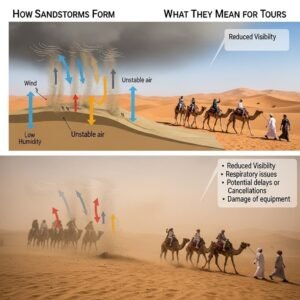
Sandstorm protocol is a vital part of Camel Training Secrets. Camels have a third eyelid and can close their nostrils, but trainers still move them to sheltered areas. They ensure the animals are calm and protected from flying debris until the weather clears.
16. What is the “Lead Camel” in a caravan?
The lead camel is the one most advanced in Camel Training Secrets. This animal is the most confident and steady. The other camels naturally follow its pace, making the entire caravan move smoothly. The lead camel is usually the most experienced member of the herd.
17. Do camels recognize their trainers?
Absolutely. Camel Training Secrets are built on personal bonds. Camels can recognize the faces and voices of their handlers from a distance. They often show affection by nudging their trainer or leaning their head against them, showing the deep trust they have developed.
18. How much weight can a safari camel safely carry?
As part of Camel Training Secrets, trainers ensure that no animal is overloaded. A healthy adult camel can easily carry 150 to 200 kilograms. Most safaris seat two adults per camel, provided their combined weight is within the safe limit for that specific animal’s size and strength.
19. What should I do if I’m nervous about riding a camel?
Trust the handler. They are experts in Camel Training Secrets. They will guide you through the process step-by-step. Remember that the camel is well-trained to stay calm. Once you are seated and the camel stands up, the ride becomes very rhythmic and relaxing.
20. Where can I learn more about Camel Training Secrets?
Many safari camps offer educational talks as part of their evening program. You can also visit reputable websites like https://royaldesertadventures.ae/ or https://saharadesertsafaridubai.com/ to read about their specific animal care standards and the traditions of the desert.