Table of Contents
Desert Safari Evolution: A Massive Transformation of Arabian Adventure
Desert Safari Evolution represents one of the most significant shifts in the global travel industry. What started as a simple necessity for nomadic tribes has turned into a billion-dollar luxury industry.
In the early decades, the desert was a place of survival. Today, it is a playground for international travelers seeking adrenaline and opulence.
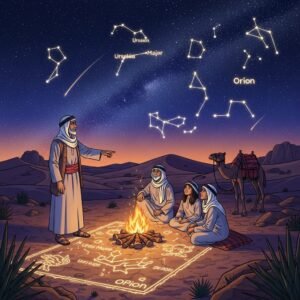
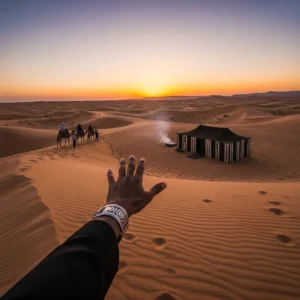
The journey of Desert Safari Evolution began long before the first Land Cruiser touched the sand. It started with the deep-rooted traditions of the Bedouin people who navigated these dunes by the stars.
The Early Roots of Desert Travel
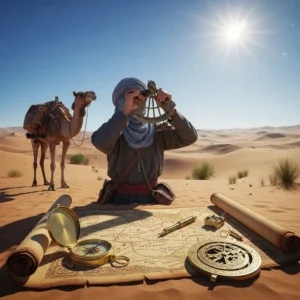
Before the advent of modern tourism, travel in the Arabian desert was a matter of endurance. The Desert Safari Evolution finds its origins in the seasonal migrations of local tribes.
Camels were the primary mode of transport. These resilient animals allowed people to cross vast stretches of sand in search of water and grazing land.
During this era, hospitality was not a commercial service. It was a cultural duty. A traveler in the desert was always welcomed with dates and coffee, laying the foundation for modern Desert Safari Evolution.
As Dubai began to grow as a trading hub, the curiosity of foreign visitors grew. They wanted to see the “real” Arabia beyond the burgeoning city centers.
The Shift Toward Organized Tourism
The 1980s marked a turning point for Desert Safari Evolution. This was the decade when the first commercial tours were organized for expats and curious explorers.
These early tours were rugged. There were no high-end shock absorbers or climate-controlled tents. It was a raw experience that focused on the sheer vastness of the landscape.
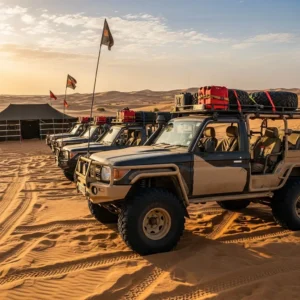
Drivers during this stage of Desert Safari Evolution were often locals who knew the dunes by heart. They utilized basic 4×4 vehicles to give guests a taste of the shifting sands.
By the 1990s, the infrastructure began to catch up with the demand. The government recognized the potential of the desert as a primary attraction.
The Rise of Dune Bashing as a Sport
No discussion of Desert Safari Evolution is complete without mentioning dune bashing. This high-octane activity revolutionized how people perceived the desert.
In the early 2000s, specialized vehicles became the standard. Modified engines and reinforced roll cages allowed for more daring maneuvers on the steep slopes of the dunes.
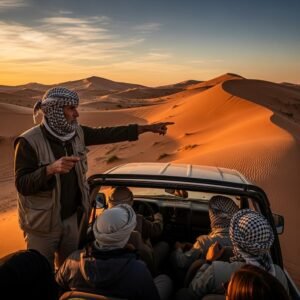
This era of Desert Safari Evolution turned a quiet landscape into an arena for excitement. Professional drivers began mastering “side-sloping” and “cresting,” which became the highlight of every trip.
Safety standards also evolved. The introduction of mandatory training for safari guides ensured that the thrill did not come at the cost of passenger safety.
Luxury and the New Standard of Service
As Dubai became synonymous with luxury, the Desert Safari Evolution followed suit. The concept of the “Private Safari” emerged for elite travelers.
Instead of shared camps, guests could now book private enclosures. These spots offered gourmet dining, vintage wines, and high-end entertainment under the stars.
The Desert Safari Evolution in the luxury sector introduced air-conditioned tents and plush seating. The focus shifted from “surviving” the desert to “celebrating” it in total comfort.
Today, you can find experiences that include private helicopter transfers to the desert. This shows just how far the industry has moved from its humble beginnings.
Cultural Preservation in Modern Safaris
Despite the modern upgrades, Desert Safari Evolution has maintained a strong link to the past. Heritage-focused tours have become increasingly popular.
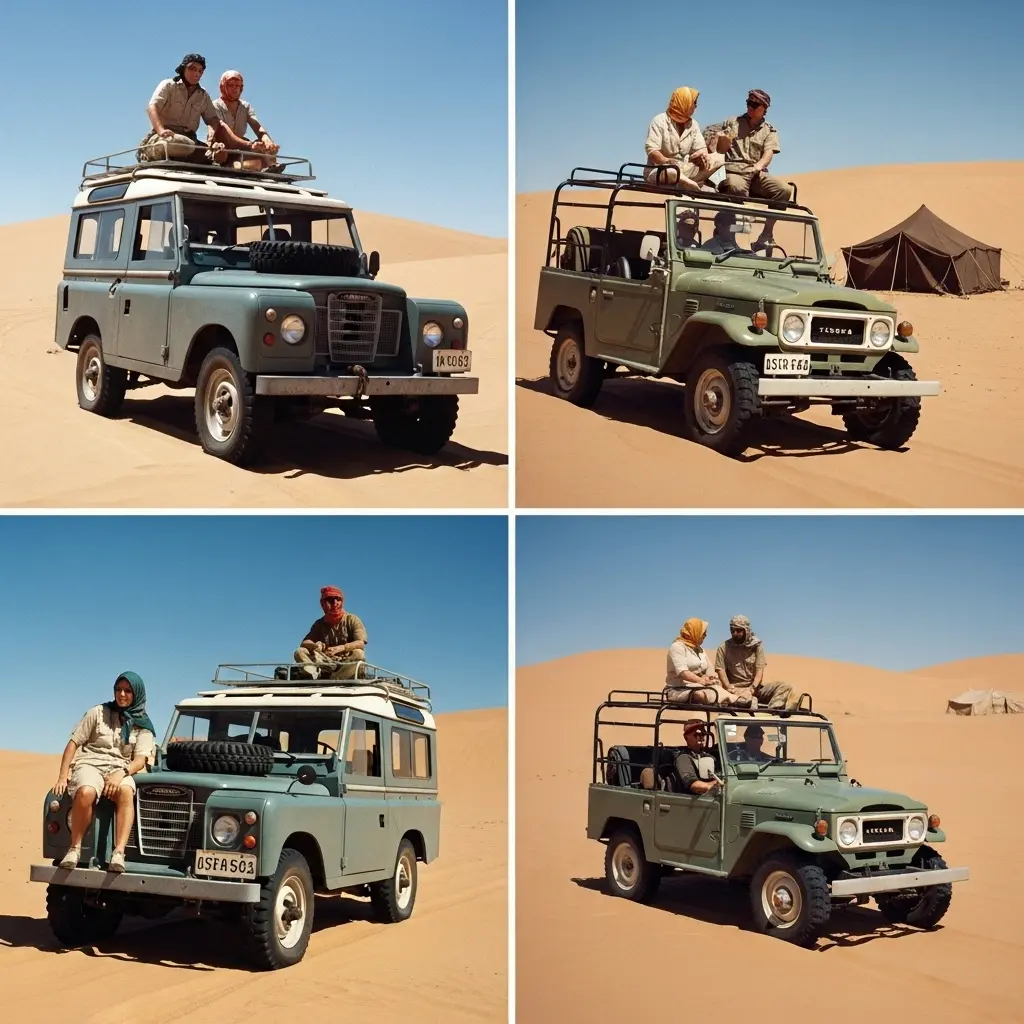
Many operators now use vintage Land Rovers from the 1950s. These vehicles provide an authentic feel that appeals to history buffs and photographers.
The Desert Safari Evolution also emphasizes cultural education. Guests learn about falconry, a sport that was once essential for hunting in the harsh desert environment.
Henna painting and traditional dance forms like Tanoura and Belly dance remain central to the evening camps. This balance of old and new is the hallmark of the current era.
Comparison of Desert Safari Eras
| Feature | Pre-1980s Era | 1990s – 2010s | 2020s & Beyond |
| Transport | Camels / Basic Jeeps | Modern 4×4 SUVs | EVs / Luxury Vintage |
| Camp Style | Basic Bedouin Tents | Large Group Camps | Private Eco-Suites |
| Dining | Traditional Dates/Rice | International Buffet | Michelin-Star Menus |
| Focus | Survival / Exploration | Thrill / Adrenaline | Sustainability / Luxury |
The Environmental Impact and Sustainability
One of the most critical aspects of Desert Safari Evolution in recent years is the focus on the environment. The desert is a fragile ecosystem that requires protection.
Early tourism did not account for the impact of tires on desert flora and fauna. However, modern Desert Safari Evolution includes the creation of protected areas like the Dubai Desert Conservation Reserve.
Electric vehicles are now being introduced to reduce carbon footprints. This shift is essential for the long-term viability of desert tourism.
Conservation fees are often included in the ticket price. These funds go toward the rehabilitation of species like the Arabian Oryx and the Sand Gazelle.
Technological Advancements in the Sands
Technology has played a massive role in the Desert Safari Evolution. From GPS tracking to online booking platforms, the industry is fully digital.
Tour operators use advanced weather tracking to ensure guest safety during sandstorms. High-tech communication systems keep drivers in touch with base camps at all times.
The Desert Safari Evolution also includes social media integration. Camps are now designed with “Instagrammable” spots to attract a younger, tech-savvy demographic.
Drones are frequently used to capture stunning footage of the dunes. This marketing tool has helped put the desert safari on the map for millions of global travelers.
Diversification of Activities
The scope of Desert Safari Evolution has expanded far beyond just driving on sand. It now encompasses a wide variety of interests.
Sandboarding: Taking the thrill of snowboarding to the warm dunes.
Quad Biking: Allowing guests to take the wheel in controlled environments.
Hot Air Ballooning: Viewing the Desert Safari Evolution from thousands of feet in the air.
Stargazing: Utilizing high-powered telescopes to explore the clear desert night sky.
These additions ensure that there is something for everyone. Whether you are a thrill-seeker or a romantic, the desert provides a perfect backdrop.
The Role of International Investment
Global brands have recognized the potential of the Desert Safari Evolution. International hotel chains now offer desert-based staycations.
These resorts are built to mimic traditional villages but offer five-star amenities. This has created a new category of “staycation tourism” within the desert.
The Desert Safari Evolution has benefited from foreign expertise in hospitality and logistics. This collaboration has raised the bar for service quality across the board.
Employment opportunities have also surged. Thousands of people from across the globe now work in the desert tourism sector, contributing to the local economy.
Challenges Faced During the Evolution
The path of Desert Safari Evolution has not been without its hurdles. Fluctuating oil prices and global economic shifts have occasionally slowed growth.
Climate change also poses a threat. Rising temperatures can affect the seasonal window for tourism, forcing operators to innovate with indoor or shaded experiences.
Competition is another factor in Desert Safari Evolution. Neighboring regions are developing their own desert products, requiring Dubai to constantly reinvent itself.
Despite these challenges, the resilience of the industry is evident. The ability to adapt to changing traveler preferences is why the desert remains a top destination.
External Resources and Partners
For those looking to book an authentic experience, several companies lead the way in this industry. You can find excellent packages at https://royaldesertadventures.ae/ which focuses on luxury and adventure.
Another great resource for learning about the landscape is https://dubaidesertsafarie.com/. They provide detailed insights into the various types of tours available.
If you are looking for a blend of tradition and comfort, https://saharadesertsafaridubai.com offers a deep dive into the heritage aspect of the desert.
For internal insights and more about our specific offerings, check out https://htdesertsafari.com/ to see how we are contributing to the future of the industry.
The Future of Desert Safari Evolution
What does the next decade hold for Desert Safari Evolution? We are likely to see even more automation and personalization.
AI-driven itineraries could allow guests to customize every minute of their trip. Virtual reality might offer a “preview” of the dunes before a traveler even leaves their home country.
The Desert Safari Evolution will also become more inclusive. Efforts are being made to ensure that desert experiences are accessible to people with all levels of mobility.
Sustainability will move from a “nice-to-have” to a “must-have.” We expect to see fully solar-powered camps and zero-waste initiatives becoming the industry standard.
Why the Desert Still Captivates Us
The core of Desert Safari Evolution remains the human connection to nature. In an increasingly urban world, the desert offers a sense of space and silence.
The golden hour in the dunes is a timeless experience. No matter how many high-tech gadgets are added, the sight of the sun dipping below the horizon remains the main event.
The Desert Safari Evolution is a testament to human ingenuity. We have taken a harsh, inhospitable environment and turned it into a place of beauty, education, and joy.
Visitors leave the desert with more than just photos. They leave with an appreciation for a culture that has thrived against all odds.
Planning Your Visit to the Dunes
If you are planning to experience the Desert Safari Evolution firsthand, there are a few things to keep in mind. Timing is everything.
The winter months are the peak season. The weather is cool, making it ideal for outdoor activities and overnight stays.
Choose an operator that aligns with your values. If you care about the environment, look for companies that highlight their conservation efforts within the Desert Safari Evolution framework.
Always remember to respect the local customs. While the desert is a place of fun, it is also a place of deep historical and cultural significance to the people of the UAE.
Understanding the Economics of the Safari
The Desert Safari Evolution is a major contributor to the GDP of the region. It supports a massive supply chain of vehicles, food, and entertainment.
Local artisans also benefit. The sale of traditional crafts at safari camps provides a livelihood for many families.
As the Desert Safari Evolution continues, we see a shift toward higher-value tourism. This means fewer visitors paying more for exclusive, high-quality experiences.
This strategy helps manage the environmental load while ensuring that the industry remains profitable for decades to come.
The Impact of Social Media on Trends
Instagram and TikTok have accelerated the Desert Safari Evolution more than any other factor in the last five years. Viral videos of dune bashing reach millions instantly.
Camps now prioritize aesthetics. The lighting, the plating of food, and the setup of the falconry displays are all designed to look perfect on camera.
This digital side of Desert Safari Evolution has created a global brand for the Arabian desert. It is no longer just a local attraction; it is a “bucket list” item for the world.
Influencer partnerships are now a standard part of marketing budgets. This keeps the desert relevant in the fast-paced world of digital content.
Conclusion of the Modern Journey
The Desert Safari Evolution is an ongoing story. It is a narrative of how tradition can coexist with modernity.
From the first Bedouin tracks to the latest electric SUV paths, the desert continues to tell a story of change. It invites us to look back at our history while moving boldly into the future.
Whether you are visiting for the first time or the fiftieth, the Desert Safari Evolution ensures there is always something new to discover. The dunes are never the same twice.
Experience the magic yourself and become a part of the next chapter in this incredible evolution. The desert is waiting to share its secrets with you.
20 FAQs About Desert Safari Evolution
1. What is the main driver behind the Desert Safari Evolution?
The main driver is the rapid modernization of Dubai and the UAE. As the city transformed into a global hub, there was a massive demand for unique tourism experiences. The Desert Safari Evolution was fueled by the need to showcase local culture to a global audience while utilizing the vast natural landscape. Additionally, advancements in automotive technology and luxury hospitality have allowed the industry to scale from simple campfires to five-star desert resorts.
2. How did transportation change during the Desert Safari Evolution?
In the early days, camels were the only way to cross the dunes. As the Desert Safari Evolution progressed, 4×4 vehicles like the early Land Rovers were introduced in the mid-20th century. Today, the industry uses high-performance SUVs equipped with advanced safety features, and we are now seeing the introduction of electric vehicles and even luxury vintage cars for specialized heritage tours.
3. Is the Desert Safari Evolution making the experience less authentic?
It depends on the type of safari you choose. While some modern safaris focus heavily on luxury and entertainment, a significant part of the Desert Safari Evolution includes a push back toward heritage. Many operators now offer “Heritage Collections” that focus on traditional food, attire, and customs, ensuring that authenticity remains a core part of the growth.
4. How has the role of the Bedouin changed in Desert Safari Evolution?
Initially, Bedouins were the primary inhabitants and guides of the desert. In the modern Desert Safari Evolution, their role has shifted toward cultural ambassadors. They share their knowledge of falconry, traditional medicine, and desert navigation with tourists, helping to preserve their heritage while benefiting from the tourism economy.
5. What role does technology play in the current Desert Safari Evolution?
Technology is everywhere. It’s in the GPS systems used by drivers for safety, the high-tech kitchens in the middle of the dunes, and the digital platforms used for booking. The Desert Safari Evolution also includes the use of drones for photography and advanced sound and light systems for evening entertainment at the camps.
6. Has the environmental focus always been part of Desert Safari Evolution?
No, early tourism was largely unregulated. However, the modern stage of Desert Safari Evolution places a massive emphasis on sustainability. This includes the creation of protected reserves, limits on the number of vehicles allowed in certain areas, and strict waste management protocols to protect the desert ecosystem.
7. Why is dune bashing so central to Desert Safari Evolution?
Dune bashing provided the “thrill factor” that put Dubai on the map for adventure seekers. As part of the Desert Safari Evolution, it turned a simple drive into a sport. It remains the most requested activity because it offers an adrenaline rush that is unique to the sandy topography of the Arabian Peninsula.
8. How does Desert Safari Evolution benefit the local economy?
The industry creates thousands of jobs, from drivers and tour guides to chefs and entertainers. The Desert Safari Evolution also supports local agriculture (for food served in camps) and traditional craftsmen who sell their wares to international visitors, ensuring the wealth generated by tourism is distributed.
9. What are the safety improvements in the Desert Safari Evolution?
Safety has seen a total overhaul. Drivers must now have specialized licenses, vehicles are fitted with roll cages and first-aid kits, and real-time tracking is used. This part of the Desert Safari Evolution ensures that even the most extreme activities are conducted under professional supervision.
10. How have dining options changed in Desert Safari Evolution?
Dining has gone from simple traditional meals to international buffets and now to fine dining. The Desert Safari Evolution has introduced live cooking stations, vegan and gluten-free options, and even multi-course meals prepared by celebrity chefs in the middle of the dunes.
11. Can children participate in all stages of Desert Safari Evolution activities?
Yes, the industry has become very family-friendly. While certain high-intensity activities have age limits, the Desert Safari Evolution has introduced kids’ clubs, educational nature walks, and gentle camel rides to ensure that families can enjoy the desert together safely.
12. What is the impact of social media on Desert Safari Evolution?
Social media has turned the desert into a global stage. The Desert Safari Evolution now prioritizes “visual moments,” leading to more beautifully designed camps and unique photo opportunities like falconry displays and sunset setups specifically for Instagram and TikTok.
13. Are there different types of safaris within the Desert Safari Evolution?
Yes, the industry has diversified into morning, evening, and overnight safaris. Within those, the Desert Safari Evolution has created niche markets like photography safaris, conservation-focused safaris, and high-end romantic private dinners.
14. How long does a typical experience last in the modern Desert Safari Evolution?
A standard evening safari lasts about 6 to 7 hours. However, the Desert Safari Evolution has seen a rise in overnight stays where guests spend 18 to 24 hours in the desert to experience the sunrise and a traditional breakfast.
15. What should I wear to experience the Desert Safari Evolution?
Comfort is key. While the Desert Safari Evolution has brought luxury, the environment is still sandy and can be windy. Lightweight cotton clothing is best for the day, and a jacket is recommended for the evening as temperatures drop significantly after sunset.
16. Is falconry a big part of the Desert Safari Evolution?
Absolutely. Falconry is a bridge between the past and the present. In the Desert Safari Evolution, it has moved from a survival skill to a mesmerizing demonstration of the bond between man and bird, and it remains a highlight for most visitors.
17. How do I choose a reputable operator in the Desert Safari Evolution?
Look for operators with transparent pricing, good safety records, and a commitment to sustainability. The Desert Safari Evolution has led to many choices, so checking reviews on sites like TripAdvisor or visiting their official websites like https://royaldesertadventures.ae/ is essential.
18. What is the future of Desert Safari Evolution?
The future is green and digital. Expect more electric 4x4s, augmented reality guides that show you historical Bedouin life as you walk through the dunes, and even more exclusive, low-impact luxury camps that prioritize the environment over volume.
19. How does weather affect the Desert Safari Evolution?
The industry is seasonal. The Desert Safari Evolution has adapted to the extreme summer heat by offering indoor desert experiences or early morning tours, but the “true” safari season remains October through April.
20. Why is the Desert Safari Evolution important for UAE culture?
It keeps the history alive. Without the Desert Safari Evolution, many traditional skills and stories might have been lost. It provides a platform for the UAE to share its soul with the world, ensuring that the progress of the city doesn’t erase the heritage of the sand.