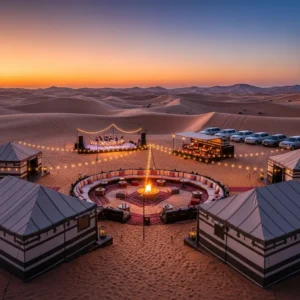

Desert Safari Planning is a complex dance of logistics, timing, and safety that begins long before the first guest steps into a 4×4 vehicle. Most travelers see only the golden dunes and the sunset, but the reality involves a massive network of coordinators working around the clock.
To understand how these daily adventures come to life, we must look at the intricate layers of management. Every single excursion requires a synergy between fleet managers, professional drivers, kitchen staff, and entertainment coordinators.
The process is repetitive yet high-stakes. When dealing with the unpredictable nature of the desert, planners cannot leave anything to chance. They must account for shifting sands, changing weather patterns, and the diverse needs of international tourists.
Daily operations start with a rigorous check of the vehicle fleet. Each Land Cruiser or patrol vehicle undergoes a multi-point inspection to ensure it can handle the intense pressure of dune bashing without mechanical failure.
Communication is the backbone of Desert Safari Planning. From the moment a booking is confirmed on https://htdesertsafari.com/, a digital trail begins that informs every department of the guest’s specific requirements and pickup location.
Table of Contents
Morning Mobilization and Fleet Readiness
The sunrise marks the beginning of the operational cycle for the logistics team. Mechanics are often the first on-site, checking tire pressures and fluid levels to prevent overheating in the midday sun.
Safety equipment is non-negotiable in this industry. Every vehicle must be equipped with roll cages, first aid kits, and high-quality recovery gear like kinetic ropes and sand shovels.
Planners assign routes based on the current state of the dunes. Because wind constantly reshapes the landscape, what was a safe ridge yesterday might be a dangerous drop-off today.
Drivers receive their manifests via specialized apps. These digital tools help optimize pickup routes across the city, ensuring that guests spend less time in traffic and more time in the sand.
Coordination with external partners like https://dubaidesertsafarie.com/ ensures that the industry maintains a high standard of service across all shared desert sectors and conservation reserves.
The Role of the Lead Safari Marshal
In the world of Desert Safari Planning, the lead marshal is the captain of the convoy. This individual is responsible for the safety of dozens of vehicles moving in unison through challenging terrain.
Marshals conduct briefings for all drivers before the convoy enters the deflation point. This is where tire pressure is lowered to approximately 15 PSI to allow for better traction on soft sand.
The lead marshal must possess an intimate knowledge of the desert geography. They watch for signs of soft “fesh-fesh” sand that can trap even the most experienced drivers.
Real-time communication via radio keeps the convoy connected. If one vehicle encounters a problem, the entire group stops, following a strict protocol to ensure no guest is left isolated.
Strategic planning also involves environmental protection. Operators like https://royaldesertadventures.ae/ emphasize staying on designated tracks to minimize the impact on the fragile desert ecosystem.
Coordination of the Desert Base Camp
While the vehicles are out on the dunes, another massive operation is unfolding at the base camp. This is where the cultural and culinary heart of the experience resides.
Camp managers oversee the arrival of fresh produce and water supplies. Because camps are remote, every liter of water and every kilogram of meat must be trucked in daily under strict temperature controls.
The setup of the seating area is a daily task. Carpets are vacuumed, cushions are arranged, and the stage is prepared for the evening’s live performances.
Hygiene is a top priority in Desert Safari Planning. Professional cleaning crews sanitize the restrooms and dining areas hours before the guests arrive from their dune bashing session.
Resource management is key here. Planners must calculate the exact amount of fuel needed for generators to power the lights, sound systems, and kitchen appliances throughout the night.
Culinary Logistics and Food Safety
Providing a high-quality buffet in the middle of a desert is a feat of modern catering. Chefs begin preparing marinated meats and fresh salads in central kitchens located in the city.
The transport of food follows a “cold chain” protocol. Insulated trucks ensure that dairy and meats remain at safe temperatures until they reach the camp’s industrial-grade grills.
Live cooking stations are a staple of the experience. Planners must ensure there are enough skilled staff members to handle the “rush hour” when hundreds of hungry guests return from the dunes.
Vegetarian and vegan options are now a standard part of the planning process. Manifests from https://saharadesertsafaridubai.com help the kitchen team know exactly how many special dietary meals to prepare.
Waste management is the final step of the culinary cycle. All leftovers and trash are packed and transported back to the city for proper disposal, leaving the desert as pristine as it was found.
Guest Management and Pick-up Protocols
The first point of physical contact between the company and the guest is the pickup. This is a critical window in Desert Safari Planning where punctuality builds trust.
Dispatchers monitor city traffic in real-time. If a major highway is blocked, they reroute drivers instantly to avoid delays that could cause guests to miss the sunset.
During the drive to the desert, guides act as educators. They provide historical context about the region and explain the safety rules that must be followed during the off-road portion.
Collection points are strategically chosen. Most operators use a mix of hotel pickups and centralized meeting spots to streamline the movement of large groups.
Clear communication regarding what to wear and what to bring is sent out via automated systems. This reduces the number of guests arriving unprepared for the temperature drop at night.
The Science of Dune Bashing Routes
Dune bashing is not random driving; it is a calculated path designed to provide maximum thrills with minimum risk. Planners map out “play areas” that offer the best slopes for sliding.
The angle of the sun plays a role in route planning. Drivers prefer to have the sun at their backs or sides to better see the shadows and contours of the dunes, which reveal the sand’s depth.
Emergency evacuation routes are always part of the master plan. In the rare event of a medical issue, every driver knows the fastest way back to the paved road where an ambulance can meet them.
Tire management is a constant concern. High temperatures increase the air pressure inside the tires as they work against the sand, requiring drivers to check and adjust levels mid-journey.
Collaboration with local authorities ensures that all Desert Safari Planning adheres to the regulations set by the tourism boards, keeping the industry safe and sustainable for the long term.
Cultural Integration and Entertainment
A desert safari is a cultural bridge. Planners work with local artisans and performers to ensure the entertainment is authentic and engaging for a global audience.
The timing of the Tanoura dance and Fire shows is synchronized with the serving of dinner. This creates a flow that keeps guests entertained without feeling overwhelmed.
Henna artists and falconers are scheduled daily. Their presence requires specialized care, especially for the falcons, which are handled by expert trainers who prioritize the bird’s well-being.
The sound system must be calibrated for the open air. Because there are no walls to bounce sound, engineers use specific speaker placements to ensure the music is clear throughout the camp.
Quality control is managed through feedback loops. Managers at https://royaldesertadventures.ae/ review daily guest comments to tweak the performance schedule or menu for the following day.
Safety Protocols and Emergency Response
Safety is the foundation of Desert Safari Planning. Every operator must hold comprehensive insurance and follow strict guidelines regarding passenger capacity.
First aid training is mandatory for all desert guides. They are the first responders in a remote environment, equipped to handle heat exhaustion, minor injuries, or motion sickness.
GPS tracking is utilized for every vehicle in the fleet. This allows the central office to see exactly where a car is at any given moment, providing an extra layer of security.
Weather monitoring is a 24-hour task. If a sandstorm is predicted, planners have the authority to cancel or postpone trips to ensure guest safety, even if it results in a loss of revenue.
The “buddy system” ensures that no vehicle travels alone. Even for private tours, a secondary support vehicle is often nearby or a communication check-in schedule is strictly enforced.
Technology in Safari Management
Modern Desert Safari Planning relies heavily on software. Booking engines, CRM systems, and fleet management apps have replaced the old paper-based methods.
Automated fuel management systems track the consumption of each vehicle. This data helps planners identify which cars are underperforming or need mechanical attention.
Social media plays a role in daily planning as well. Real-time updates and “stories” help potential guests see the current conditions and the quality of the experience being offered.
Digital waivers and check-in processes have streamlined the arrival at the camp. This reduces the time guests spend standing in line and increases their time enjoying the activities.
AI is beginning to play a role in predicting demand. By analyzing historical data, planners can adjust staffing levels and food orders to match expected guest counts with high accuracy.
Environmental Stewardship and Sustainability
The desert is a beautiful but fragile ecosystem. Responsible Desert Safari Planning involves proactive measures to protect the local flora and fauna.
Operators are increasingly moving toward eco-friendly practices. This includes reducing single-use plastics at the camps and using biodegradable cleaning products.
Education is a key component. Guides are trained to explain the importance of the Ghaf tree and the Arabian Oryx, encouraging guests to respect the environment.
Carbon offsetting is a growing trend. Some companies are looking into hybrid vehicle options for the long highway stretches before reaching the desert dunes.
Waste segregation at the camp ensures that recyclables are handled correctly. This commitment to the land ensures that the desert remains a viable tourist destination for decades to come.
Daily vehicle inspections for safety.
Route mapping based on sand conditions.
Cold chain logistics for food safety.
Real-time GPS tracking of all convoys.
Professional training for all marshals.
Strict adherence to local tourism laws.
Waste management and environmental protection.
Cultural performance coordination.
Guest communication and pickup logistics.
Emergency response and first aid readiness.
The Morning After: Post-Operation Analysis
The work doesn’t end when the last guest is dropped off at their hotel. A “debrief” occurs among the management team to discuss any issues that arose during the day.
Maintenance crews take over at night. They wash the vehicles to remove the abrasive sand and salt, which can cause rapid corrosion if left on the paint and undercarriage.
Accounting teams reconcile the bookings and expenses. This financial oversight is crucial for maintaining the thin margins of a high-overhead business like a desert safari.
Planning for the next day begins almost immediately. With the feedback from the current day, adjustments are made to the kitchen orders and driver assignments.
This constant cycle of improvement is what separates top-tier operators from the rest. The dedication to the craft of Desert Safari Planning is visible in every successful sunset.
Staff Training and Professional Development
The quality of a safari is only as good as the people delivering it. Regular training sessions are held to keep drivers’ skills sharp and guides’ knowledge updated.
Advanced off-road driving courses are standard for new hires. Even experienced drivers must pass a rigorous internal test before they are allowed to lead a convoy with guests.
Customer service training helps staff handle the diverse cultural expectations of tourists from around the world. Understanding etiquette is a vital part of the job.
Language skills are highly valued. Many planners ensure that each convoy has at least one person who speaks a second or third language to assist international travelers.
Safety drills are conducted periodically. These simulations prepare the team for real-world scenarios, from vehicle rollovers to medical emergencies in deep sand.
Marketing and Sales Coordination
The planning process also involves a heavy sales component. Marketing teams work to ensure that the “slots” for each day are filled to maximize efficiency.
Dynamic pricing models are often used. During peak seasons, planners must manage high volumes, while in the summer months, they focus on specialized morning or evening packages.
Partnerships with travel agencies and online platforms are managed daily. This ensures a steady flow of bookings and helps the operation scale its resources effectively.
Content creation is part of the daily routine. Capturing high-quality photos and videos of the dunes helps keep the brand relevant on visual platforms like Instagram and TikTok.
Planners must balance the “authentic” desert experience with the modern amenities that travelers expect, such as Wi-Fi in the camp and luxury transport options.
The Impact of Seasonality on Planning
Winter is the “high season” for Desert Safari Planning. During these months, the cool weather allows for longer excursions and more outdoor activities.
Summer planning is significantly different. High temperatures mean that most activities must take place in the early morning or late evening to protect guests from heatstroke.
During Ramadan, the camp operations change to respect local customs. This involves different entertainment schedules and a focus on the Iftar meal for guests.
Planners must be agile enough to pivot their entire operation based on the calendar. This includes changing the menu, the staff shifts, and the marketing focus.
The “shoulder seasons” require careful monitoring. Transitioning from the heat of summer to the cool of winter involves a gradual ramp-up of staff and vehicle availability.
Logistics of Remote Infrastructure
Maintaining a permanent or semi-permanent camp in the dunes is a constant battle against the elements. Sand is incredibly invasive and can damage electronics and furniture.
Planners must schedule regular “deep cleans” where the camp is stripped down and rebuilt. This prevents the desert from reclaiming the structures over time.
Power generation is a major logistical hurdle. Solar energy is becoming more common, but many camps still rely on high-capacity generators that require daily refueling.
Water storage tanks must be monitored and cleaned. Ensuring a steady supply of potable water for drinking and non-potable water for cleaning is a daily priority.
Furniture and décor are replaced frequently. The intense sun and wind wear down even the highest quality materials, requiring a budget for constant refurbishment.
Final Preparations Before the Guest Arrival
In the final hour before guests arrive, a “sweep” of the camp is conducted. This is the last chance to ensure that every detail is perfect, from the temperature of the water to the lighting of the torches.
Performers do a final sound check. The scent of traditional Arabic coffee and burning oud fills the air, creating an immersive atmosphere from the moment of entry.
Drivers check their vehicles one last time for any personal items left by guests during the dune bashing. This attention to detail defines the premium experience.
The camp manager takes their position at the entrance. Their role is to welcome each guest personally, setting the tone for an evening of hospitality and adventure.
When the first 4×4 appears on the horizon, the hours of Desert Safari Planning culminate in a seamless transition from transit to entertainment.
FAQs on Desert Safari Planning
How are the drivers selected for a desert safari? Drivers undergo a rigorous selection process that includes a valid commercial license and specialized off-road certification. Most reputable companies require at least 3 to 5 years of experience in desert driving. Beyond technical skills, they are trained in first aid and customer service to ensure they can manage a group of diverse tourists effectively.
What happens if a vehicle breaks down in the dunes? This is where the planning is most critical. Every convoy has a lead marshal and a backup system. Because vehicles travel in groups, if one fails, the guests are moved to other cars. A dedicated recovery team is then dispatched with specialized equipment to tow the vehicle back to the road. This ensures minimal disruption to the guest’s experience.
How do you manage food safety in the middle of the desert? Food safety is managed through a strict “cold chain” system. Food is prepared in a certified industrial kitchen in the city, then transported in temperature-controlled trucks. Once at the camp, it is stored in commercial-grade refrigerators and cooked fresh on-site. Regular inspections by local health authorities ensure that these standards are maintained daily.
Is there a weight or age limit for dune bashing? Yes, safety protocols dictate certain restrictions. Pregnant women, people with back or heart problems, and very young infants are generally advised against dune bashing. Planners offer “soft” desert drives or direct-to-camp transfers for these guests so they can still enjoy the evening without the physical intensity of the dunes.
How is the desert environment protected during these tours? Responsible operators follow “Leave No Trace” principles. This includes staying on established tracks, prohibiting littering, and using eco-friendly waste disposal systems. Many companies also contribute to conservation funds that help protect native wildlife like the Arabian Gazelle and the Ghaf trees that are vital to the ecosystem.
How do planners handle sudden changes in weather? Planners monitor weather radars constantly. If high winds or rain are forecasted, the operation is modified. In the case of a sandstorm, the outdoor dune bashing may be cancelled, and guests might be offered an indoor cultural experience or a rescheduled date. Safety always takes precedence over the itinerary.
What kind of communication equipment is used in the desert? Since mobile signals can be unreliable in deep dunes, teams use high-frequency two-way radios for vehicle-to-vehicle communication. Additionally, many lead vehicles are equipped with satellite phones and GPS tracking devices that send live data back to the central operations office in the city.
How are the camp activities like camel riding managed? Camel trekking is managed by professional handlers who prioritize the welfare of the animals. The camels work in shifts to ensure they are not overworked, and they are provided with shaded resting areas and plenty of water. Planners schedule these activities to coincide with the arrival of the convoys to minimize wait times.
How do you ensure the live performances are of high quality? Performers are often contracted through specialized entertainment agencies that vet their skills. Regular rehearsals and sound checks are part of the daily setup. Camp managers also solicit live feedback from guests to ensure the music and dance styles are meeting the expectations of the audience.
What is the role of technology in booking and logistics? Technology is the brain of the operation. From the moment a guest books on https://saharadesertsafaridubai.com/, the system automatically assigns them to a driver, calculates the pickup time based on their hotel location, and updates the kitchen on dietary requirements. This automation reduces human error and ensures a smooth flow of information.
How do you handle medical emergencies in remote areas? Every driver is trained in basic first aid, and every vehicle carries a medical kit. For more serious issues, the GPS tracking allows the office to coordinate with emergency services. Most desert areas used for tourism have designated “emergency access points” where ambulances can meet the safari vehicles quickly.
Why is tire pressure so important in the desert? Tire pressure is the difference between floating on sand and sinking into it. By deflating the tires to about 15 PSI, the surface area of the tire increases, providing the necessary traction for the soft dunes. Planners include “deflation” and “inflation” stops in the itinerary to manage this technical requirement safely.
How are the routes for dune bashing determined? The lead marshal scouts the dunes daily. Because wind changes the shape of the dunes, the “safe” paths are constantly shifting. The route is chosen to provide a mix of steep climbs and “side-sloping” thrills while avoiding areas where the sand is too soft or the drop-offs are too dangerous.
Can guests request private tours with specific planning? Absolutely. Private Desert Safari Planning allows for a customized itinerary, including specific pickup times, a private vehicle, and even a secluded dining setup away from the main camp. These are popular for birthdays, proposals, and corporate events, requiring even more detailed coordination from the team.
How do you manage the “high season” volume of guests? During peak months, companies increase their fleet size and hire seasonal staff. The logistics team uses more sophisticated routing software to manage hundreds of pickups across the city. The camp layout may also be adjusted to accommodate more seating without sacrificing the guest’s comfort or view of the stage.
What is the typical “backstage” schedule for a safari guide? A guide’s day starts around 1:00 PM with vehicle checks. Pickups happen between 2:30 PM and 3:30 PM. After the drive and camp activities, they drop guests back around 9:30 PM. Their day ends around 11:00 PM after refueling and cleaning the vehicle for the next day. It is a long, demanding cycle.
How do you ensure the water at the camp is safe for drinking? Camps use a combination of bottled water for drinking and large, treated water tanks for washing. The tanks are filled daily by specialized water tankers and are treated with food-grade purifiers to ensure they meet the health and safety standards of the local municipality.
What are the most common challenges in daily operations? Traffic congestion in the city is the biggest challenge for pickups. In the desert, mechanical issues caused by the heat and sand are the most frequent hurdles. Planners overcome these through real-time communication and by having “spare” vehicles and drivers on standby every single day.
How does the planning change for a morning safari? Morning safaris are shorter and more focused on the adventure. There is no dinner or live entertainment, so the planning revolves around early-morning pickups (around 8:00 AM) and getting guests back to the city before the midday heat becomes too intense. The logistics are simpler but require precision timing.
What makes a desert safari truly “luxury” from a planning perspective? Luxury is defined by the quality of the assets and the level of service. This includes high-end vehicles like the Range Rover or Mercedes G-Wagon, gourmet plated dinners instead of buffets, and a much lower guest-to-staff ratio. Operators like https://dubaidesertsafarie.com/ often specialize in these high-touch, meticulously planned experiences.
The Evolution of Safari Logistics
The industry has come a long way from the early days of unorganized desert drives. Today, Desert Safari Planning is a professionalized sector that contributes significantly to the regional economy.
The integration of sustainable technology and better safety standards has made the desert accessible to millions. As the industry grows, the focus is shifting toward even more personalized and environmentally conscious adventures.
Every sunset in the dunes is the result of thousands of man-hours and years of experience. The next time you find yourself at a camp under the stars, remember the invisible team that made it all possible.
From the mechanic who checked the tires at dawn to the chef who grilled the kebabs at dusk, the daily operation of a desert safari is a testament to human ingenuity and hospitality in one of the world’s harshest environments.
The future of Desert Safari Planning lies in the balance between thrill-seeking and conservation. As long as the sands continue to shift, the planners will continue to adapt, ensuring that the magic of the desert remains safe and spectacular for everyone.
Would you like me to generate a feature image for this blog post to match the keywords?