
Table of Contents
Desert Safari Dubai FAQ for Tourists: 7 Critical Safety Tips
Desert Safari Dubai FAQ for Tourists is the first thing every traveler looks for before heading into the massive red dunes. The desert is beautiful but can be unpredictable.
In 2026, safety and sustainability have become the top priorities for international visitors. Knowing how to prepare can make the difference between an epic trip and a stressful one.
Whether you are a solo traveler, a couple on a honeymoon, or a family with young kids, this guide covers everything. We have analyzed thousands of guest questions to provide these answers.
From the high-G forces of dune bashing to the quiet charm of a Bedouin camp, the desert offers a world of contrast. Let’s explore the most essential facts you need to know.
Understanding the Basics of Desert Safari Timing
The most common Desert Safari Dubai FAQ for Tourists involves choosing between morning and evening sessions. Both offer very different atmospheres and light conditions.
Morning safaris usually start at 7:00 AM and end by noon. These are perfect for those who want to avoid the intense heat and focus purely on the adventure activities.
Evening safaris are the most popular choice. They typically start at 3:00 PM and include sunset photography, a BBQ dinner, and live cultural entertainment shows.
In the winter months of 2026, morning temperatures are crisp and refreshing. In the summer, the evening breeze makes the night much more bearable than the midday sun.
If you are short on time, a morning safari is a great “quick hit.” However, for the full cultural experience, the evening safari remains the gold standard for most tourists.
| Safari Type | Start Time | End Time | Best For |
| Morning Safari | 7:00 AM | 11:00 AM | Adrenaline & Photos |
| Evening Safari | 3:30 PM | 9:30 PM | Dinner & Entertainment |
| Overnight Safari | 3:30 PM | 8:30 AM (Next Day) | Stargazing & Camping |
Critical Safety Protocols for Dune Bashing
Safety is a non-negotiable part of the Desert Safari Dubai FAQ for Tourists. Dune bashing involves driving 4×4 vehicles at varying speeds over steep sand dunes.
All vehicles used for these tours must be equipped with internal roll cages and specialized safety belts. In 2026, RTA regulations in Dubai are stricter than ever for your protection.
Tourists are always advised to fasten their seatbelts tightly. The ride can be bumpy, and the sudden drops over dune ridges require you to stay securely in your seat.
If you have a history of back or neck problems, you should skip the dune bashing. Most operators offer a “soft drive” or a direct route to the camp for sensitive guests.
Pregnant women and infants are generally restricted from dune bashing due to the physical intensity of the ride. Always inform your guide of any medical conditions beforehand.
For those interested in high-quality adventure safety, https://royaldesertadventures.ae/ provides excellent certified drivers and well-maintained fleets.
Packing Essentials for the Arabian Desert
What to wear is a frequent Desert Safari Dubai FAQ for Tourists. The desert environment requires clothing that is both functional and culturally respectful.
Light, breathable fabrics like cotton or linen are ideal for the daytime heat. Long sleeves are actually better than short ones as they protect your skin from UV rays.
In 2026, the temperature can drop quickly after the sun sets. Even if it was 35°C during the day, the desert night can feel quite chilly, so bring a light jacket.
Footwear is another important consideration. Closed shoes or sneakers are best for sandboarding and walking on the dunes to avoid burning your feet on hot sand.
Don’t forget a wide-brimmed hat and polarized sunglasses. The glare from the sand can be intense, and protecting your eyes will help you enjoy the views much more.
Sunscreen: SPF 30 or higher is essential.
Power Bank: Your phone battery will drain faster in the heat while taking photos.
Scarf: A traditional Ghutra can protect your face from dust during quad biking.
Reusable Bottle: Sustainable tours often have refill stations to reduce plastic waste.
Sustainable Practices in 2026 Desert Tourism
Sustainability is the newest addition to the Desert Safari Dubai FAQ for Tourists. Travelers now want to know how their visit impacts the local environment.
Leading operators have transitioned to solar-powered camps and electric 4×4 vehicles. This reduces the carbon footprint and minimizes noise pollution in the dunes.
Waste management is also a priority. Many camps have eliminated single-use plastics and moved toward organic, locally sourced catering from UAE farms.
Respecting the wildlife is part of being a sustainable tourist. Never feed the Arabian Oryx or gazelles if you spot them during your nature drive.
Stick to designated tracks to avoid crushing the delicate desert crust. About 90% of desert life exists just below the surface and can be easily destroyed by careless driving.
To learn more about eco-conscious booking options, you can visit https://dubaidesertsafarie.com/ for their latest green initiatives.
Navigating Food and Dietary Requirements
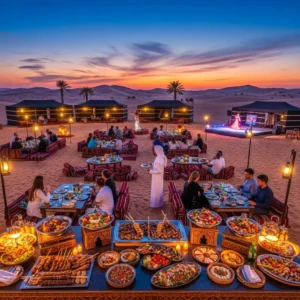
The BBQ buffet is a highlight, and the Desert Safari Dubai FAQ for Tourists often covers food safety and options. Most camps offer a wide variety of dishes.
Standard menus include grilled meats like chicken tikka, lamb kebabs, and fish. There is also a huge selection of vegetarian starters like hummus, moutabel, and fattoush.
In 2026, many camps are catering to vegan and gluten-free diets. It is always best to inform the tour company at the time of booking so they can prepare.
Food hygiene is strictly monitored by the Dubai Municipality. On-site chefs follow HACCP standards to ensure every meal is fresh and safe for international travelers.
Unlimited water and soft drinks are typically included in the package. Staying hydrated is the most important rule when spending several hours in the sand dunes.
If you want to explore the specific menus of top-rated camps, https://htdesertsafari.com/ offers detailed breakdowns of their culinary offerings.
Cultural Etiquette and Photography Tips
Desert Safari Dubai FAQ for Tourists wouldn’t be complete without a section on local customs. The desert is a place of deep heritage for the Emirati people.
When visiting the Bedouin-style camp, it is polite to dress modestly. While you are in the desert, avoiding overly revealing clothing shows respect for the culture.
Always ask for permission before taking photos of local people, especially women. However, photographers are more than welcome to snap the landscape and performers.
If you are visiting during the month of Ramadan, the entertainment schedule changes. Belly dancing and loud music are usually paused out of respect for the holy month.
For the best photos, aim for the “Golden Hour” just before sunset. The red dunes of Lahbab take on a magical glow that is perfect for professional-looking shots.
For more internal links regarding desert culture and photography spots, check out https://saharadesertsafaridubai.com/ for expert advice.
Wildlife and Nature Conservation Areas
Many tourists ask if they will see animals during their trip. The Desert Safari Dubai FAQ for Tourists explains that sightings depend on the location of your safari.
The Dubai Desert Conservation Reserve (DDCR) is the best place to see native species. Here, you can find the majestic Arabian Oryx, which was once nearly extinct.
Gazelles are also common, often seen grazing near the desert shrubs. These animals are highly adapted to the harsh climate and can survive for days without water.
In 2026, many tours include a falconry demonstration. The falcon is the national bird of the UAE and represents a centuries-old tradition of hunting and survival.
Guides are trained to provide educational information about the desert ecology. This turns your adventure into a learning experience about the resilience of nature.
Maintaining a safe distance from the animals is crucial. We use binoculars to observe them without causing stress or disturbing their natural behavior patterns.
Tips for Sandboarding and Quad Biking
If you love thrills, the Desert Safari Dubai FAQ for Tourists on adventure gear is for you. Sandboarding is included in almost every standard package.
The key to sandboarding is to keep your weight on your back foot. This prevents the board from digging into the soft sand and allows you to glide smoothly.
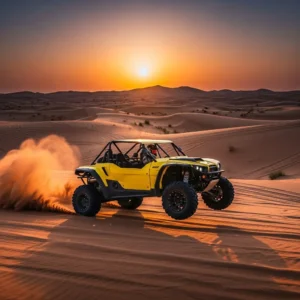
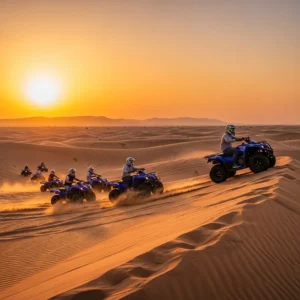
Quad biking and dune buggies are usually optional add-ons. These activities take place in fenced areas or guided convoys for maximum safety.
Always wear the provided helmet and goggles. The wind can whip up fine sand, and protecting your eyes and head is essential during high-speed rides.
Beginners should take it slow. Riding on sand is very different from riding on dirt or pavement, as the vehicle can slide easily on the shifting dune surfaces.
Check with your operator if these activities are insured. Reputable companies provide full safety briefings before you are allowed to touch the controls.
Budgeting for Your 2026 Desert Adventure
Price is a major factor in the Desert Safari Dubai FAQ for Tourists. The cost can vary significantly based on the level of luxury and exclusivity you choose.
A standard group safari in a shared 4×4 is the most budget-friendly option. It offers all the classic activities at a price that is accessible for everyone.
VIP packages offer private tables, waiter service, and premium food options. This is a great choice if you want to avoid the queues at the buffet.
Private safaris allow you to have the entire vehicle to yourself. This gives you total control over the pace of the dune bashing and the length of the photo stops.
In 2026, booking directly with the operator is often cheaper than going through a hotel concierge or a third-party travel agent. Look for online deals.
Standard Safari: 150 – 250 AED per person.
VIP Safari: 350 – 500 AED per person.
Private Vehicle: 1,200 – 2,000 AED per car.
Overnight Camping: 450 – 700 AED per person.
Health Precautions and Motion Sickness
A vital but often overlooked Desert Safari Dubai FAQ for Tourists is about physical health. The heat and the movement can affect some people more than others.
If you are prone to motion sickness, take a light anti-nausea tablet 30 minutes before the pickup. The dune bashing involves many twists and turns.
Don’t eat a heavy meal right before the safari. A light snack is fine, but a full stomach can lead to discomfort during the more intense parts of the drive.
If at any point you feel dizzy or unwell, tell your driver immediately. They are trained to handle these situations and can stop the car to let you recover.
Seniors and those with heart conditions should opt for a nature drive instead of dune bashing. It is a much smoother experience that still offers the beauty of the dunes.
Dehydration is the biggest risk. Even if you don’t feel thirsty, keep sipping water throughout the day to maintain your energy and focus.
Stargazing and Overnight Camping Options
For the ultimate escape, the Desert Safari Dubai FAQ for Tourists on overnight stays is a must-read. Sleeping under the stars is a life-changing experience.
Overnight safaris begin after the evening entertainment ends. While other guests go home, you stay in a traditional tent or a luxury cabin in the dunes.
The lack of light pollution makes the desert one of the best places for stargazing. In 2026, many camps provide telescopes and astronomy guides for guests.
Waking up to a desert sunrise is the highlight of the trip. The silence of the early morning is a stark contrast to the bustling city of Dubai just an hour away.
A traditional Arabic breakfast is served at dawn, featuring fresh bread, olives, and eggs. It is a peaceful way to start your day before the return journey.
This option is perfect for couples or writers looking for inspiration. It allows you to truly disconnect from the digital world and reconnect with the earth.
The Role of Multilingual Guides in 2026
Communication is key, which is why the Desert Safari Dubai FAQ for Tourists often asks about language. In 2026, the industry has become incredibly diverse.
Most guides are fluent in English, Arabic, and often a third language like Russian, German, or Mandarin. This ensures that every guest feels welcome and informed.
A good guide doesn’t just drive; they tell the story of the desert. They share the history of the Bedouin tribes and the transformation of the UAE.
Ask your guide questions! They have a wealth of knowledge about the plants, the animals, and the secret spots for the best photos in the dunes.
Clear communication is also essential for safety. Being able to understand the instructions for sandboarding or camel mounting prevents accidents.
Dubai’s tourism sector prides itself on world-class hospitality. The guides are the face of this industry and work hard to provide a memorable experience for all.
Dealing with Sand and Electronics
Every photographer asks a Desert Safari Dubai FAQ for Tourists about gear protection. Fine silica sand is the enemy of cameras and smartphones.
The sand in Dubai is extremely fine and can easily get into charging ports and lens barrels. Once inside, it can cause mechanical failure or scratches.
Use a dedicated camera bag that zips tightly. When changing lenses, do it inside the vehicle to minimize the risk of sand entering the camera body.
A simple tip is to put a piece of tape over your phone’s charging port while you are on the dunes. This prevents sand from clogging the internal components.
Carry a microfiber cloth and a small air blower. This allows you to clean your equipment safely without scratching the glass surfaces with abrasive sand.
If you are using a drone, check the 2026 regulations. Many parts of the desert are “No Fly Zones” due to wildlife conservation or proximity to airports.
The Best Time of Year for Your Safari
Timing your visit is a critical Desert Safari Dubai FAQ for Tourists. The weather in the UAE varies wildly between the winter and summer seasons.
November to March is the peak season. The weather is perfect for all outdoor activities, and the evening temperatures are cool and pleasant.
April and October are “shoulder months.” They are warmer but less crowded, making it a good time for those who want a quieter experience at the camp.
May to September is the summer season. While it is very hot, many operators offer special discounts and sunrise tours to beat the heat.
No matter when you visit, the desert has a unique charm. The summer heat produces incredible mirages, while the winter clear skies are perfect for stargazing.
Always check the local weather forecast 24 hours before your trip. Sudden sandstorms can occasionally lead to the rescheduling of safaris for safety reasons.
Choosing the Right Desert for Your Safari
Did you know there are different deserts? The Desert Safari Dubai FAQ for Tourists often helps guests choose between Lahbab and Al Awir.
Lahbab is famous for its “Big Red” dunes. These are the highest and most dramatic dunes in the region, offering the best conditions for dune bashing and photography.
Al Awir is closer to the city and features smaller, more golden dunes. It is often the location for more budget-friendly group safaris.
If you want a true wilderness experience, the Dubai Desert Conservation Reserve is the place to be. It is strictly controlled and offers a more peaceful vibe.
The choice of desert determines the intensity of your dune bashing. For high-speed action, Lahbab is the undisputed king of the Dubai desert safari scene.
Your tour operator will usually specify the location in the package details. If you have a preference for red sand, make sure to ask before you confirm your booking.
Safety for Children and Seniors
Traveling with a family means the Desert Safari Dubai FAQ for Tourists must address age-specific concerns. Safety protocols vary by age group.
Children under the age of 3 are generally not allowed on dune bashing rides. Their neck muscles are not yet strong enough to handle the sudden movements.
Seniors are welcome at the camp but should be careful during the camel ride. Mounting and dismounting a camel requires a bit of balance and agility.
The camp environment is very family-friendly. There are dedicated areas for kids to play, and the food menu always includes child-friendly options like pasta or nuggets.
Most 4×4 vehicles can be fitted with a child car seat if requested in advance. This is a mandatory safety requirement for 2026 travel in the UAE.
Sharing the magic of the desert with your children is a wonderful experience. Watching them run through the dunes and see their first camel is a memory you will cherish.
What Happens During the Evening Camp?
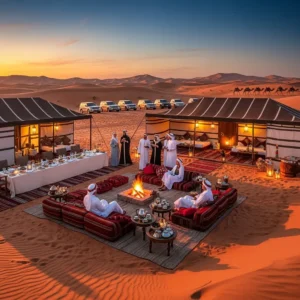
The climax of the trip is the camp, and the Desert Safari Dubai FAQ for Tourists explains what to expect once you arrive at the Bedouin-style settlement.
The camp is a social hub where guests from different vehicles gather. You will be greeted with traditional Arabic coffee (Gahwa) and fresh dates.
Activities at the camp include henna painting for the ladies and trying on traditional Emirati costumes for photos. It’s a fun way to engage with the culture.
The entertainment starts after dinner. You will see the Tanoura dancer, whose spinning LED skirt creates a beautiful light show against the dark sky.
Belly dancing is another staple of the evening. Professional dancers perform to traditional music, often inviting guests to join in for a quick lesson.
The night usually ends with a fire show. Skilled performers use flames to create dramatic patterns, providing a thrilling finale to your desert adventure.
Managing Expectations: Crowds and Queues
Honesty is important in the Desert Safari Dubai FAQ for Tourists. Because it is the most popular activity in the city, the camps can get very busy.
During the peak winter months, you should expect some queues for the buffet and the camel ride. A little patience goes a long way in enjoying the experience.
If you hate crowds, consider booking a private safari or a high-end luxury tour. These operate in smaller, more exclusive camps with fewer guests.
The group atmosphere can also be part of the fun. Meeting people from all over the world and sharing a meal under the stars creates a sense of global community.
The desert is big enough for everyone, but the camps are localized. Understanding the scale of the operation helps you prepare for a social and lively evening.
Most 2026 tours are well-managed to ensure that the flow of guests is smooth. Operators use digital booking systems to prevent over-crowding at the facilities.
Photography: Capturing the Perfect Sunset
Every traveler wants the best shots, and the Desert Safari Dubai FAQ for Tourists provides tips for the ultimate Instagram feed.
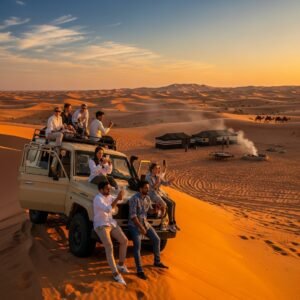
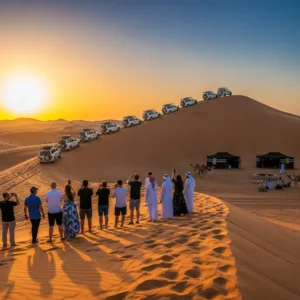
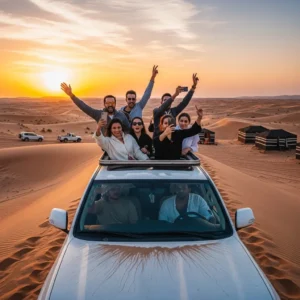
The sunset stop is the most important part of the drive. Your driver will find a high ridge where you can watch the sun dip below the horizon.
Use a wide-angle lens to capture the vastness of the dunes. If you are using a smartphone, the “Portrait Mode” is great for taking photos of your friends against the sand.
Don’t just look at the sun; look at the shadows. The long shadows created by the low sun add depth and texture to the sand ripples, making for great art shots.
Be careful not to get sand in your pockets. If you are sitting on the dunes for photos, shake out your clothes thoroughly before getting back into the car.
Natural light is your best friend in the desert. Avoid using a flash, as it can wash out the warm orange tones of the sand and the soft colors of the sky.
Final Checklist Before You Leave Your Hotel
To wrap up the Desert Safari Dubai FAQ for Tourists, here is a quick checklist to ensure you haven’t forgotten anything critical for your day out.
Check your pickup time: Be ready in the lobby 10 minutes early.
Confirm your dietary needs: Double-check that the operator knows about any allergies.
Charge your devices: Ensure your phone and camera are at 100%.
Bring some cash: While most things are included, you might want to buy souvenirs or give a tip to your guide.
Relax and enjoy: The desert is a place of peace and adventure. Let go of the city stress and embrace the sand.
The desert is a timeless landscape that has captivated travelers for centuries. By following these FAQs, you are ready to write your own Arabian story.
Safe travels, and we hope your desert safari is everything you dreamed of and more!
Frequently Asked Questions (FAQs)
1. Is a desert safari in Dubai safe for people with back pain?
Generally, the standard dune bashing part of a desert safari is not recommended for people with chronic back or neck pain. The ride involves sudden drops, sharp turns, and significant bouncing as the vehicle navigates the uneven sand dunes. However, you can still enjoy the experience! Most reputable tour operators offer a “nature drive” or a direct-to-camp transfer. This allows you to skip the intense part of the ride and go straight to the Bedouin camp to enjoy the dinner and shows. Always communicate your health concerns with the tour company at the time of booking so they can assign you to a suitable vehicle and driver.
2. What is the best age for children to join a Dubai desert safari?
Children of all ages are technically allowed in the desert, but for the dune bashing activity, it is widely recommended that children be at least 3 to 4 years old. Younger infants do not have the neck strength required for the jerky movements of the 4×4 vehicle. Most operators will require you to book a private vehicle if you are traveling with a very young baby so that the driver can maintain a slow and steady pace. For the camp activities like camel riding and the fire show, children of any age usually have a fantastic time. Just ensure they are well-protected from the sun and kept hydrated throughout the evening.
3. Do I need to bring my own food or water?
No, you do not need to bring your own food or water. Standard evening safaris include unlimited mineral water and soft drinks from the moment you are picked up until you are dropped back at your hotel. The package also includes a comprehensive BBQ buffet dinner with a wide variety of vegetarian and non-vegetarian dishes. However, if you have very specific medical dietary needs or are traveling with a toddler who needs specific snacks, it is a good idea to carry those with you. In the 2026 travel landscape, most camps are very accommodating, but a small backup snack never hurts.
4. How long does the entire desert safari experience take?
A typical evening desert safari takes approximately 6 to 7 hours from start to finish. If your pickup is at 3:30 PM, you can expect to be back at your hotel around 9:30 PM or 10:00 PM. This duration includes the 45-minute drive to the desert, about 30 to 45 minutes of dune bashing, a sunset photography stop, and about 3 hours spent at the desert camp for dinner and live entertainment. Morning safaris are much shorter, usually lasting about 4 hours in total, as they do not include the dinner and the long show sequences.
5. What is the difference between a shared and a private desert safari?
A shared safari means you will be in a 4×4 vehicle with other tourists (usually up to 6 people per car) and you will share the camp facilities with a larger group. This is the most cost-effective way to see the desert. A private safari gives you the entire vehicle for your group alone. This offers more flexibility; you can ask the driver to stop more often for photos, or you can request a less intense dune bashing session. Private safaris are highly recommended for families with young children, seniors, or couples who want a more intimate and personalized experience without being stuck with strangers’ schedules.
6. Is there a dress code for the desert safari camps?
There is no formal dress code, but it is important to be mindful of local cultural sensitivities and practical comfort. For women, modest clothing that covers the shoulders and knees is appreciated when you are at the camp. Avoid wearing tight or very short clothing. For men, shorts and t-shirts are perfectly fine. Practically, you should wear layers. The desert can be very hot while the sun is up, but once it sets, the temperature drops significantly. Bringing a pashmina, shawl, or a light sweater is a very smart move for the evening hours at the camp.
7. Can I experience a desert safari if I am pregnant?
Pregnant women are strongly advised not to participate in dune bashing, quad biking, or sandboarding due to the risk of physical jolts and falls. However, you can still enjoy the beauty of the desert! You should book a “Dinner in the Desert” package which involves a smooth drive directly to the camp. Once there, you can enjoy the traditional atmosphere, the food, and the cultural performances. Always consult with your doctor before booking any desert activity to ensure it is safe for your specific stage of pregnancy.
8. Are there toilets available in the middle of the desert?
While there are no toilets out on the sand dunes during the dune bashing and photo stops, the Bedouin-style camps are fully equipped with modern, clean, and separate bathroom facilities for men and women. These are maintained to a high standard of hygiene. It is a good idea to use the restroom before you leave your hotel or at the meeting point before the vehicle enters the deep desert, as you will be away from facilities for about 60 to 90 minutes during the adventure part of the tour.
9. Is alcohol served during the desert safari?
Alcohol is typically available at most desert camps as an optional extra for an additional charge. However, there are two important exceptions to keep in mind for 2026. First, alcohol is not served during the holy month of Ramadan or on other specific Islamic holidays out of respect for local traditions. Second, alcohol is never served while the vehicles are in motion or during the adventure activities. It is only available once you are settled at the camp for dinner. Always check with your specific tour operator if they have a bar license, as some “eco-camps” or “cultural-only” camps may choose not to serve alcohol at all.
10. What happens if there is a sandstorm on the day of my safari?
Safety is the absolute priority for Dubai tour operators. If a significant sandstorm or extreme weather event is forecasted, safaris may be cancelled or rescheduled. In such cases, reputable companies will contact you as early as possible to offer an alternative date or a full refund. Minor wind is common and actually adds to the desert atmosphere, but if the visibility is low or the winds are dangerous for the vehicles, the trip will not proceed. Always provide a working local phone number or WhatsApp contact during booking so the operator can reach you for updates.
11. Can I drive the 4×4 vehicle myself in the dunes?
No, you cannot drive the 4×4 vehicles used for the safari. Desert driving is a highly specialized skill that requires a specific license and years of experience to ensure the safety of the passengers and the vehicle. The drivers are professionals who know how to “read” the sand and handle the car on steep inclines. If you have a passion for driving, you can book a Quad Biking or Dune Buggy experience where you get to control your own smaller vehicle in a designated safe zone under the supervision of a guide.
12. Is the food at the desert safari camp halal?
Yes, all food served at desert safari camps in Dubai is 100% Halal. The meat is prepared according to Islamic dietary laws, and the kitchens are strictly monitored by the Dubai food safety authorities. This is standard across the entire UAE tourism industry. If you have other specific religious or ethical dietary requirements, such as Kosher or Jain food, you should notify the tour operator well in advance, as these may require special arrangements or might not be available at every camp.
13. Are there many mosquitoes or bugs in the desert?
Surprisingly, there are very few mosquitoes in the open desert because there is no standing water for them to breed. However, you might encounter small desert insects or flies near the camp areas. During the winter months, insects are almost non-existent. If you are visiting during the warmer shoulder seasons, you might want to apply a bit of insect repellent if you have very sensitive skin, but generally, bugs are not a major concern for tourists on a standard safari.
14. Do I need to carry my passport during the desert safari?
You do not need to carry your original passport with you into the desert. A digital copy or a photo of your passport on your phone is usually sufficient for any routine checks. It is actually safer to leave your original passport in your hotel safe to avoid losing it in the sand or getting it damaged. However, you should carry a form of ID or your Emirates ID if you are a resident, just in case of any unforeseen requirements at the entry points of conservation reserves.
15. Is henna painting permanent?
No, henna is a temporary form of skin decoration made from a natural plant dye. It usually lasts between one to two weeks, depending on how often you wash the area and your skin type. The artist at the camp will apply a wet paste which needs to dry for about 20 minutes before you flake it off. The initial stain is orange but darkens to a deep reddish-brown over 24 hours. If you want it to last longer, avoid scrubbing the area with soap and water for the first day after application.
16. How much should I tip the safari driver?
Tipping is not mandatory in Dubai, but it is a common practice and greatly appreciated if you received excellent service. For a standard group safari, a tip of 20 to 50 AED for the driver is considered generous and fair. If you booked a private vehicle for the whole day, you might consider a slightly higher tip. Most drivers work very hard to ensure your safety and to take great photos for you, so a small token of appreciation is a nice gesture.
17. Can I bring a drone to film my desert safari?
Using a drone in the Dubai desert is strictly regulated. You must have a permit from the Dubai Civil Aviation Authority (DCAA) and the drone must be registered. Furthermore, many desert areas are “No Fly Zones” due to their proximity to flight paths or sensitive conservation areas. Even with a permit, most group safaris do not allow drone use because it can disturb other guests and the local wildlife. If you are a professional filmmaker, you should arrange a private tour and ensure all legal permits are in order months in advance.
18. What is the best camera to take on a desert safari?
You don’t need a professional DSLR to get great photos; most modern smartphones in 2026 take incredible desert shots. However, if you are a photography enthusiast, a camera with a good zoom lens is great for capturing wildlife from a distance. A wide-angle lens is essential for the vast sunset landscapes. The most important thing is protection—bring a dust-proof bag and never change your lenses while standing in the wind, as the fine sand can easily ruin your sensor.
19. Is there mobile phone reception in the desert?
Yes, mobile phone reception is surprisingly good in most parts of the Dubai desert used for safaris. You will likely have 4G or even 5G coverage throughout the trip, allowing you to upload photos or stay in touch with your family. However, in the deeper parts of conservation reserves or near the border areas, the signal may drop. Most desert camps now offer free Wi-Fi for guests, although the speed may be slower than what you are used to in the city.
20. Can I go on a safari if I don’t speak English?
Absolutely. Dubai is a global city and safari operators are very used to guests from all over the world. Many companies employ multilingual guides who speak Russian, Chinese, German, French, and Spanish. Even if a specific language guide isn’t available, the visual nature of the experience—the dune bashing, the dancing, and the food—transcends language barriers. Most safety instructions are also provided via clear demonstrations and printed signs in multiple languages.
#hashtags
#DesertSafariDubaiFAQforTourists, #DubaiSafariTips2026, #VisitDubai, #DesertAdventure, #DubaiTourism, #DuneBashingSafety, #SustainableTravelUAE, #ArabianDesert, #TravelSafety, #DubaiVacation, #CamelRides, #SandboardingDubai, #EveningSafari, #BedouinCulture, #DubaiTravelGuide, #RedDunes, #LahbabDesert, #WildlifeConservation, #DubaiExperience, #StargazingDubai, #EcoFriendlyTourism, #TravelPlanning, #DubaiHolidays, #MiddleEastTravel, #SafariPhotography, #DesertSunset, #EmiratiHeritage, #AdventureTravel, #FamilyTravelDubai, #DubaiLife, #SafeTravels, #TravelTips2026, #ExploreDubai, #DesertCamping, #FalconryDubai, #HennaArt, #ArabicCuisine, #DubaiVlogger, #TravelChecklist, #BucketListDubai
Would you like me to create a printable PDF checklist of these safety tips and packing essentials for your trip?