
Table of Contents
Desert Safari Night Temperature Patterns: Navigating the Surprising Chill of the Arabian Dunes
Desert Safari Night Temperature Patterns are one of the most misunderstood aspects of Arabian tourism. Many travelers arrive in Dubai expecting heat that lasts 24 hours a day. However, once the sun sets over the golden horizon, the environment undergoes a radical transformation.
Understanding Desert Safari Night Temperature Patterns is essential for anyone planning an evening or overnight excursion in 2026. The shift from a blistering afternoon to a crisp, cool evening can catch the unprepared off guard. This guide explores the science and practicalities of these thermal shifts.
The desert is a land of extremes. While the skyscrapers of the city retain heat, the open dunes behave differently. By studying Desert Safari Night Temperature Patterns, you can ensure your trip is comfortable, safe, and filled with memories rather than shivering.
The Science Behind Desert Safari Night Temperature Patterns
Desert Safari Night Temperature Patterns exist because of the unique composition of the terrain. Unlike forests or cities, the desert lacks the insulation needed to hold onto daytime heat. Sand is a poor conductor of thermal energy.
In fact, sand acts like a mirror during the day, reflecting solar radiation. But once that source is gone, Desert Safari Night Temperature Patterns take effect. The heat escapes rapidly back into the atmosphere, leaving the ground and air significantly colder within just a few hours.
The Role of Humidity in Temperature Drops
Humidity is the silent regulator of global weather, but it is often absent here. Desert Safari Night Temperature Patterns are amplified by the low moisture content in the air. Water vapor acts as a blanket that traps heat near the surface.
In the arid desert, there is no blanket. This lack of “atmospheric insulation” is the primary driver of Desert Safari Night Temperature Patterns. Without moisture to “arrest” the heat, the thermal energy simply vanishes into the clear night sky.
Sand vs. Water: Why the Desert Chills So Fast
Materials like water have a high specific heat capacity, meaning they take a long time to cool down. Sand does not. Desert Safari Night Temperature Patterns are a direct result of sand’s inability to store heat for long periods.
As soon as darkness falls, the sand surface temperature plummets. This cooling then affects the air immediately above it. This is why Desert Safari Night Temperature Patterns can show drops of 15°C to 20°C in a single evening.
Seasonal Temperature Variance for Night Safaris
| Season | Daytime Avg (°C) | Nighttime Avg (°C) | Temperature Drop |
| Winter (Nov-Mar) | 24°C – 26°C | 14°C – 16°C | ~10°C |
| Spring (Apr-May) | 32°C – 35°C | 22°C – 24°C | ~11°C |
| Summer (Jun-Aug) | 40°C – 45°C | 28°C – 30°C | ~12°C+ |
| Autumn (Sep-Oct) | 35°C – 38°C | 25°C – 27°C | ~10°C |
Winter Desert Safari Night Temperature Patterns
Winter is the most popular time for a safari, but it also presents the most challenging Desert Safari Night Temperature Patterns. From December to February, the night air can feel genuinely cold, especially when the desert wind picks up.
Travelers often underestimate how “15 degrees” feels in an open, windy environment. Desert Safari Night Temperature Patterns in winter require a specific layering strategy. You may be sweating during the dune bashing, only to need a heavy fleece by the time dinner is served.
The Impact of Wind Chill on Perception
The actual thermometer reading is only half the story. Desert Safari Night Temperature Patterns are heavily influenced by wind chill. In the open dunes, there are no buildings to block the breeze coming off the gulf or the deep interior.
A 16°C night can easily feel like 12°C when you are sitting in an open-air Bedouin camp. Desert Safari Night Temperature Patterns mean that wind protection is just as important as thermal insulation. A windproof outer layer can make a massive difference.
Overnight Safaris: The 3 AM Dip
If you are brave enough to sleep under the stars, you will experience the extreme end of Desert Safari Night Temperature Patterns. The coldest period is typically between 3:00 AM and sunrise. This is when the last remnants of daytime heat have fully escaped.
During this window, Desert Safari Night Temperature Patterns can drop to the low teens or even single digits in certain parts of the UAE. Proper sleeping gear and extra blankets are mandatory for anyone engaging with Desert Safari Night Temperature Patterns overnight.
Summer Desert Safari Night Temperature Patterns
You might think summer avoids the “cold” problem, but Desert Safari Night Temperature Patterns still matter. Even when it is 42°C during the day, the drop to 28°C at night feels significant. It is a relief, but it still requires planning.
Summer Desert Safari Night Temperature Patterns are often accompanied by higher humidity. This can make the night feel “sticky” rather than “crisp.” However, the relative drop still exists, providing a much-needed break from the oppressive midday sun.
Humidity and the “Sweat Factor”
In summer, Desert Safari Night Temperature Patterns are influenced by moisture coming from the coast. While the temperature is technically lower, the heat index remains high. This creates a different kind of nighttime environment compared to the dry winter months.
Even so, sitting in a moving open-top vehicle at night can create a breeze that makes the 28°C feel pleasant. Desert Safari Night Temperature Patterns in summer are generally more manageable for those who dislike the cold, but hydration remains the top priority.
Why Night Tours Flourish in Summer
Because of the extreme daytime heat, summer night tours are designed around Desert Safari Night Temperature Patterns. Most activities don’t even begin until the sun has started its descent. This allows guests to capitalize on the cooling phase of the Desert Safari Night Temperature Patterns.
Indoor camps or specialized “cooled” tents are sometimes used, but many people prefer to sit outside and witness the natural transition of Desert Safari Night Temperature Patterns. It is the only time the desert feels approachable during the peak of July and August.
External Resources for Weather Tracking
To stay updated on the live conditions and avoid being caught in a cold snap, check these sources:
Visit https://dubaidesertsafarie.com/ for real-time weather alerts and safari schedules.
Explore luxury night gear and climate-controlled tours at https://royaldesertadventures.ae/.
Check out traditional desert weather wisdom and survival at https://htdesertsafari.com/.
Strategic Packing for Desert Safari Night Temperature Patterns
Your luggage should be a direct response to Desert Safari Night Temperature Patterns. “Removable layers” is the golden rule. You need a system that can adapt to the shifting phases of Desert Safari Night Temperature Patterns throughout the evening.
Start with a base layer that is breathable for the afternoon sun. Then, add a mid-layer like a hoodie or sweater for the sunset period. Finally, keep a heavier jacket ready for the peak of the Desert Safari Night Temperature Patterns after 9:00 PM.
Essential Fabrics for Heat and Cold
Natural fibers like cotton and linen are great for the daytime portion of the trip. But for the cold phase of Desert Safari Night Temperature Patterns, synthetic fleece or wool is better. These materials trap air and provide better insulation against the nighttime chill.
Avoid heavy denim if you plan to be active. Denim doesn’t breathe well in the heat and can feel damp and cold once the Desert Safari Night Temperature Patterns drop. Joggers or trekking pants are a much smarter choice for the desert’s thermal swings.
Protecting Your Extremities
Heat is lost fastest through your head, hands, and feet. While you might not need gloves, a scarf or pashmina is a versatile tool for Desert Safari Night Temperature Patterns. It can protect you from the sun during the day and wrap around your neck for warmth at night.
Closed-toe shoes are also essential. Sand cools down very quickly, and walking on cold dunes in sandals is an unpleasant way to experience Desert Safari Night Temperature Patterns. Sneakers or boots will keep your feet warm and protected from the terrain.
Internal Linking for Booking Support
For a closer look at the best camps for winter or summer, visit https://saharadesertsafaridubai.com/ for detailed camp descriptions. You can also view vehicles equipped for all seasons at https://royaldesertadventures.ae/.
Cultural Adaptations to Desert Safari Night Temperature Patterns
The Bedouin people have lived with Desert Safari Night Temperature Patterns for millennia. Their traditional clothing is the ultimate engineering solution for these extremes. The long, flowing “Kandura” for men and “Abaya” for women are perfectly suited for the desert.
These garments provide sun protection and airflow during the day. But when Desert Safari Night Temperature Patterns take over, the layers of fabric trap warm air close to the body. Even the “Ghutra” (headscarf) can be wrapped tightly to block the cold nighttime wind.
The Role of the Bonfire in Tradition
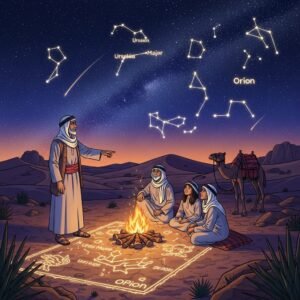
The central bonfire at every desert camp is more than just decoration. It is a historical response to Desert Safari Night Temperature Patterns. Historically, the fire was the only way to survive the bitter winter nights.
Today, sitting around the fire is a social ritual, but its primary function remains the same. It provides a localized micro-climate that offsets the Desert Safari Night Temperature Patterns. It is the heart of the camp and the most popular spot once the sun disappears.
Traditional Hot Beverages and Heat
What you drink also helps you manage Desert Safari Night Temperature Patterns. Arabic coffee (Gahwa) and tea are served hot throughout the night. These drinks raise your core body temperature, helping you resist the Desert Safari Night Temperature Patterns.
The spices in the coffee, like cardamom and saffron, are also believed to have warming properties. Engaging in these traditions is not just about culture; it is a practical way to enjoy your evening despite the Desert Safari Night Temperature Patterns.
Health and Safety Considerations
The rapid shift in Desert Safari Night Temperature Patterns can be a shock to the system. People with respiratory issues or circulatory problems should be especially mindful of the evening chill. Cold air can be drier, which may cause irritation.
Always let your guide know if you are feeling the effects of the Desert Safari Night Temperature Patterns. They have access to extra blankets and can adjust the seating arrangements to keep you out of the direct wind. Your safety is the priority during any transition of Desert Safari Night Temperature Patterns.
Hydration in Cold Weather
It is easy to forget to drink water when it’s cold. However, the desert air is dry regardless of the Desert Safari Night Temperature Patterns. You lose moisture through breathing even when you aren’t sweating.
Continue to sip water even after the Desert Safari Night Temperature Patterns have cooled the air. Dehydration can actually make you feel colder because it affects your body’s ability to regulate its temperature. Stay hydrated to stay warm against the Desert Safari Night Temperature Patterns.
Sunburn and the “Cold” Trap
Don’t let the cool Desert Safari Night Temperature Patterns fool you into thinking the sun isn’t strong. The UV index remains high until the very last moment of sunset. Many people stop applying sunscreen as soon as they feel the first breeze.
Protect your skin during the day so that you don’t have to deal with the pain of a sunburn exacerbated by the friction of warm clothes at night. Managing the sun is the first step in successfully navigating the full cycle of Desert Safari Night Temperature Patterns.
Photography and Desert Safari Night Temperature Patterns
The changing Desert Safari Night Temperature Patterns also affect the atmosphere and your gear. As the air cools, the clarity of the sky often improves. This is why the hour after sunset is the best for photography.
However, rapid shifts in Desert Safari Night Temperature Patterns can cause condensation on your lens. If you move from a warm car into the cold night air, your camera might fog up. Be patient and let your gear acclimate to the Desert Safari Night Temperature Patterns.
Capturing the “Blue Hour”
The “Blue Hour” is the transition period where the sun’s warmth is fading and the Desert Safari Night Temperature Patterns are starting to dominate. The sky turns a deep indigo, providing a stunning contrast to the orange sand.
This is the most atmospheric time for portraits. The cool tones of the sky reflect the changing Desert Safari Night Temperature Patterns. Use a tripod to capture the stillness of the desert as it enters its quiet, cold phase.
Stargazing and Atmospheric Stability
The best stargazing happens when Desert Safari Night Temperature Patterns are at their most stable—usually late at night. Cooler air is often “thinner” and less prone to the shimmering distortion caused by rising daytime heat.
If you are a fan of astronomy, you will appreciate the cold. The crispness of the winter Desert Safari Night Temperature Patterns allows for a much sharper view of the Milky Way and distant planets. Wrap up warm and look up!
Why Luxury Safaris Are Better for Climate Control
If you are concerned about Desert Safari Night Temperature Patterns, a luxury safari is a wise investment. These tours often feature “Majlis” tents that are fully enclosed and climate-controlled. You get the views without the chill.
Luxury operators understand that not everyone enjoys the raw edge of Desert Safari Night Temperature Patterns. They provide premium amenities like heated seating, high-quality pashminas, and luxury blankets as standard inclusions.
Private Enclosures and Windbreaks
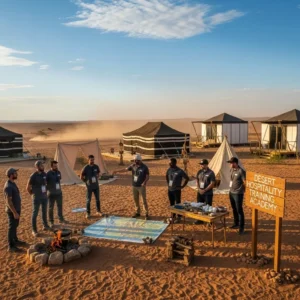
In a luxury camp, the layout is designed to mitigate the effects of Desert Safari Night Temperature Patterns. High walls and strategically placed tents act as windbreaks, creating a cozy pocket of warmth in the middle of the vast desert.
This allows you to enjoy the fine dining and entertainment without having to wear a heavy coat at the table. It is the perfect compromise for those who want the desert experience but have a low tolerance for the cold Desert Safari Night Temperature Patterns.
Hot Water and Comfort Amenities
For overnight stays, luxury glamping tents include hot showers and high-quality bedding. These features are designed specifically to combat the 3 AM dip in Desert Safari Night Temperature Patterns.
Waking up to a hot coffee in a heated tent while watching the sunrise is the ultimate way to experience Desert Safari Night Temperature Patterns. It turns a potential hardship into a high-end adventure.
Conclusion: Mastering the Desert’s Thermal Dance
Desert Safari Night Temperature Patterns are a fundamental part of the desert’s identity. They are a reminder of the raw power of nature and the beauty of change. Instead of fearing the cold, embrace it as part of the story.
By understanding the science of sand and the patterns of the Arabian sky, you can prepare yourself for a perfect trip. Pack your layers, drink your tea, and enjoy the fire. The desert night is waiting, and now you know exactly what to expect from its temperature patterns.
Whether you are visiting in the heat of summer or the crispness of winter, the desert night offers a serenity you won’t find anywhere else. Respect the Desert Safari Night Temperature Patterns, and they will reward you with the most comfortable and magical evening of your life.
20 FAQs about Desert Safari Night Temperature Patterns
How cold does it actually get during a Dubai desert safari in winter?
During the winter months (December to February), Desert Safari Night Temperature Patterns typically range between 14°C and 18°C. However, in the open desert, it can feel much colder due to the lack of windbreaks. On particularly clear nights, the temperature can even dip near 10°C, making a jacket or warm hoodie absolutely necessary for your comfort and safety.
Why is the temperature drop so much more extreme in the desert than in the city?
The city of Dubai is a “heat island” where concrete, asphalt, and buildings absorb and retain solar energy. In contrast, Desert Safari Night Temperature Patterns are driven by sand, which loses heat almost instantly after sunset. Additionally, the city has higher humidity and less air movement, whereas the desert allows heat to escape into space without any resistance from moisture or structures.
Do I need a jacket for a desert safari in the summer?
Generally, no. Summer Desert Safari Night Temperature Patterns rarely fall below 25°C. However, if you are sensitive to air conditioning, you might want a light shawl for the car ride or for the indoor portions of some luxury camps. Outside, the night air will still feel warm, though it is a significant and welcome relief from the 40°C+ daytime heat.
What is the best clothing strategy for the shifting night temperatures?
The most effective approach for managing Desert Safari Night Temperature Patterns is the “three-layer system.” Start with a breathable T-shirt, add a long-sleeved shirt or light sweater for sunset, and have a medium-weight jacket ready for after dinner. This allows you to add or remove clothing as the Desert Safari Night Temperature Patterns evolve throughout the 6-hour experience.
Are overnight safaris significantly colder than evening ones?
Yes, because Desert Safari Night Temperature Patterns continue to fall long after the evening guests have left. The lowest temperature is usually reached just before dawn. If you are staying overnight, you must be prepared for the coldest part of the Desert Safari Night Temperature Patterns, which requires a proper sleeping bag and thermal layers that aren’t necessary for a shorter evening trip.
Does the wind significantly impact how cold the desert feels?
Absolutely. Desert Safari Night Temperature Patterns are heavily affected by wind chill. Because the dunes are open and flat, even a light breeze can strip away your body heat. A windproof jacket is often more effective than a thick but porous sweater. Always check the wind forecast before your safari to prepare for the “felt” temperature rather than just the thermometer reading.
Can I wear shorts for an evening desert safari?
You can wear shorts during the daytime activities like dune bashing, but it is not recommended for the evening camp. Once the Desert Safari Night Temperature Patterns drop, your legs will feel the chill quickly. Additionally, long pants protect you from the cool sand and any nocturnal insects. It is better to wear convertible hiking pants or bring a pair of trousers to change into.
Are the desert camps heated at night?
Standard desert camps do not have central heating; they rely on traditional bonfires to provide warmth. However, some luxury “VIP” enclosures or private glamping tents do offer climate control. If you are very sensitive to the cold, you should look for Desert Safari Night Temperature Patterns solutions in a premium or luxury safari package.
Is it true that it can snow in the UAE desert?
Snow is extremely rare and usually only occurs on the high mountain peaks like Jebel Jais, not in the sandy desert dunes. However, Desert Safari Night Temperature Patterns can occasionally produce frost in the early morning during an exceptionally cold winter. For most travelers, the “extreme” will be a cold wind rather than actual freezing temperatures.
How does humidity affect the way the night temperature feels?
In late summer and early autumn, humidity in the desert can rise at night. This interferes with the typical Desert Safari Night Temperature Patterns by trapping some heat, making the night feel warm and “muggy.” In winter, the humidity is much lower, which allows for the “crisp” and sharp temperature drops that define the classic desert experience.
What should I bring for my children to handle the temperature drop?
Children are more susceptible to Desert Safari Night Temperature Patterns than adults. Pack an extra set of warm clothes, including a beanie and thick socks. A warm blanket for the car ride home is also a great idea, as many children fall asleep after the excitement and their body temperature naturally drops even further.
Do the safari drivers keep the car heaters on during the return trip?
Yes, drivers are well aware of the Desert Safari Night Temperature Patterns and will adjust the car’s climate control for the return journey to the city. However, after spending hours in the cool night air, the transition can sometimes feel a bit stuffy. Having removable layers allows you to stay comfortable in both the cold desert and the warm car.
Are traditional Arabic drinks helpful for staying warm?
Yes, the Arabic coffee (Gahwa) and tea served at the camp are excellent for combating Desert Safari Night Temperature Patterns. Not only does the heat of the liquid raise your internal temperature, but the spices used in traditional recipes are also known to help with circulation and warmth. It is one of the most enjoyable ways to manage the chill.
Does sandboarding feel different when the sand is cold?
The physics of the sand doesn’t change much, but your comfort does. Sandboarding in the late evening means you will be interacting with cold sand. Your feet and hands might get chilly if they touch the surface. Many people find sandboarding more pleasant in the late afternoon when the Desert Safari Night Temperature Patterns are still moderate.
Is there a specific “coldest month” for desert safaris?
January is statistically the coolest month in the Dubai desert. This is when Desert Safari Night Temperature Patterns are at their most extreme, and you are most likely to need a heavy jacket. If you are visiting in January, your planning should focus heavily on warmth and wind protection for any outdoor activities.
Does the moon phase affect the desert temperature?
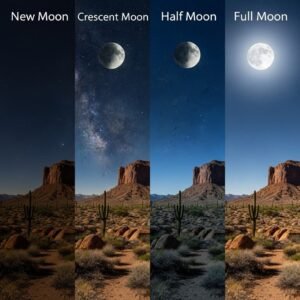
There is no direct correlation between moon phases and Desert Safari Night Temperature Patterns. However, a full moon can make the night feel “brighter” and more active, whereas a new moon (dark night) can feel psychologically colder and more isolated. Your perception of the environment is influenced by the light, but the thermal energy remains the same.
Should I bring hand warmers for a winter safari?
For most people, hand warmers are not necessary, as the bonfire and hot drinks are sufficient. However, if you are doing a professional photography session or an overnight stay during a cold snap, they can be a very helpful addition to your Desert Safari Night Temperature Patterns survival kit.
How do I know if the night will be exceptionally cold?
Check the “Low Temperature” forecast for Dubai and then subtract about 2 to 4 degrees for the desert. If the city forecast shows a low of 16°C, expect the Desert Safari Night Temperature Patterns to hit 12°C or 13°C. High wind speeds on the forecast are also a major indicator of a chilly night.
Is it safe to sit directly on the sand at night?
The sand loses heat very quickly. Sitting directly on the sand after dark will pull the heat out of your body rapidly. Use the cushions and carpets provided at the camp to insulate yourself from the cooling ground. This simple step is one of the best ways to manage Desert Safari Night Temperature Patterns.
Can I buy warm clothes at the desert camp?
Some larger camps have small souvenir shops that sell traditional shawls or sweatshirts. However, they are often expensive and may not be the style you want. It is much better to include “warm clothes” in your Desert Safari Night Temperature Patterns planning before you leave your hotel in the city.
Would you like me to find the specific weather forecast for your planned safari date to help you pack?