
Table of Contents
Desert Safari Safety: Ensuring Your Arabian Adventure Stays Secure and Fun
Desert Safari Safety is the single most important factor to consider before you step into a 4×4 vehicle and head into the vast Arabian dunes. While the thrill of sliding down sand mountains is undeniable, the environment is inherently unpredictable. Ensuring you are prepared allows you to enjoy the adrenaline without unnecessary risks.
Dubai has established itself as a world leader in tourism standards. However, the desert remains a wild landscape where nature dictates the rules. Whether you are a first-time visitor or a seasoned traveler, understanding the protocols of Desert Safari Safety will transform your experience from a chaotic ride into a masterfully managed expedition.
This detailed breakdown covers everything from vehicle mechanics to personal health. We will look at how to choose the right operator and what to do in the rare case of an emergency. By following these guidelines, you ensure that your only souvenirs from the desert are incredible photos and joyful memories.
The Role of Professional Drivers and Vehicle Integrity
The foundation of Desert Safari Safety starts with the machine and the man behind the wheel. Not every SUV is built for the dunes, and not every driver has the skill to navigate shifting sands. In Dubai, strict regulations govern who can take tourists into the desert.
Every vehicle used for a commercial safari must be fitted with a roll cage. This internal steel structure protects passengers in the unlikely event of a rollover. Furthermore, the tires must be deflated to a specific pressure before entering the sand to increase traction and prevent the car from sinking or flipping.
| Safety Feature | Requirement | Purpose |
| Roll Cage | Mandatory Internal Frame | Structural Integrity |
| Tire Pressure | 15-18 PSI | Increased Traction |
| First Aid Kit | Fully Stocked | Immediate Care |
| GPS Tracker | Real-time Monitoring | Location Tracking |
Internal link: https://htdesertsafari.com/
Drivers must hold a specialized desert driving license. This is not a standard permit; it requires passing rigorous tests on sand physics and recovery techniques. When you book your tour, always verify that your operator employs certified professionals who prioritize Desert Safari Safety over high-speed stunts.
Health Considerations Before You Hit the Dunes
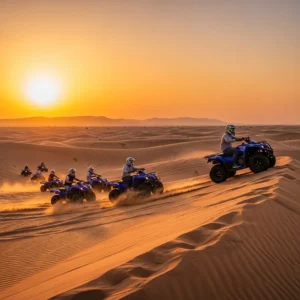
Your physical well-being is a core component of Desert Safari Safety. Dune bashing is a high-impact activity that involves sudden drops, sharp turns, and significant G-forces. It is comparable to a rugged roller coaster ride on an ever-changing track of sand.
Expectant mothers, individuals with chronic back or neck issues, and those with heart conditions should avoid the dune bashing portion of the tour. Most reputable companies offer a “soft drive” or a direct transfer to the campsite, allowing everyone to enjoy the cultural aspects without physical risk.
External link: https://dubaidesertsafarie.com/
Hydration is another critical factor. The desert air is incredibly dry, and dehydration can set in long before you feel thirsty. Drink plenty of water in the hours leading up to your pickup. Even during the winter months, the sun is strong, and maintaining your fluid levels is a vital part of staying safe and energetic.
Dressing for Protection and Comfort
What you wear directly impacts your Desert Safari Safety. Loose, breathable fabrics are your best friend in the heat, but they also offer protection against the wind and blowing sand. Cotton and linen are highly recommended over synthetic materials that can trap heat.
Sun protection is non-negotiable. A high-SPF sunscreen, polarized sunglasses, and a wide-brimmed hat should be part of your kit. Even if you are in an air-conditioned vehicle, the UV rays reflecting off the white and orange sand can cause severe burns if you are unprotected during photo stops.
External link: https://royaldesertadventures.ae/
Footwear is often overlooked. While flip-flops are easy to kick off in the camp, they offer no support on the dunes. If you plan on sandboarding or climbing, wear closed-toe shoes to protect your feet from the heat of the sand and hidden rocks. Proper gear is a simple way to boost your Desert Safari Safety profile.
Understanding Desert Wildlife Precautions
The Arabian desert is a living ecosystem. While encounters with dangerous animals are rare during tourist safaris, Desert Safari Safety includes knowing how to respect the local fauna. The desert is home to scorpions, spiders, and the occasional sand viper.
Most of these creatures are nocturnal and stay hidden during the day. However, when walking on the dunes, especially near shrubs or rocks, it is wise to watch where you step. Never reach into a hole or under a bush without looking first.
Internal link: https://htdesertsafari.com/
If you see a falcon, an Arabian Oryx, or a gazelle, keep a respectful distance. These animals are protected and are part of the UAE’s national heritage. Observing them from afar ensures both your safety and the preservation of the wildlife’s natural behavior.
Food Safety and Hygiene at the Campsite
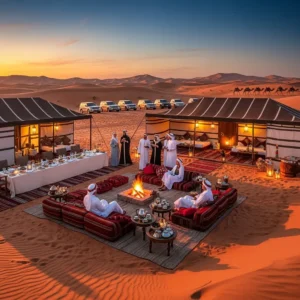
After the thrills of the dunes, the safari moves to a Bedouin-style camp. Here, Desert Safari Safety shifts toward food hygiene and sanitation. Standard tours include a large BBQ buffet, and it is essential to ensure that the food is handled correctly in the outdoor environment.
Top-tier operators maintain strict temperature controls for their meat and dairy products. If you have a sensitive stomach, stick to fully cooked items and avoid raw salads if they haven’t been kept on ice. Most camps provide hand sanitizer at the start of the buffet line; use it liberally.
External link: https://saharadesertsafaridubai.com
If you have severe food allergies, inform your guide during the pickup. Most kitchens in the desert are prepared to handle common allergies like nuts or gluten, but they need advance notice. Being proactive about your dietary needs is a key part of personal Desert Safari Safety.
Navigating Emergency Situations
Even with the best preparation, emergencies can happen. Desert Safari Safety protocols are designed to handle these moments with speed and efficiency. Every safari vehicle is equipped with a radio or a high-powered communication device to stay in touch with the base camp.
If a vehicle gets stuck in the sand—which is a common occurrence—do not panic. The drivers are trained in “self-recovery” and often work in convoys to pull each other out. Stay inside the vehicle until the driver tells you it is safe to exit, as the recovery ropes can be dangerous if they snap.
In the event of a medical emergency, the nearest hospital is usually between 30 to 45 minutes away. Drivers have direct lines to emergency services and can coordinate with the Dubai Police or ambulance services. Knowing that a support network exists is a major comfort for tourists.
Safety for Children and Seniors
Traveling with a family requires extra attention to Desert Safari Safety. Children under the age of three are generally not allowed on the dune bashing portion for safety reasons. Their neck muscles are not yet strong enough to handle the sudden movements of the vehicle.
For seniors, the focus should be on comfort. Ensure they have a seat in the middle of the vehicle where the ride is slightly smoother than the back row. Most camps have medical staff or basic first aid on standby, providing an extra layer of security for older travelers.
External link: https://royaldesertadventures.ae/
Keep children close at the campsite. While the camps are fenced, the area is vast, and it is easy for a child to wander off into the dark dunes. Using a “buddy system” or simply staying within sight of the main bonfire area ensures everyone stays safe while enjoying the entertainment.
Seasonal Safety: Summer vs. Winter
The time of year you visit changes your Desert Safari Safety requirements. In the summer (May to September), the heat is the primary hazard. Temperatures can exceed 45 degrees Celsius. During this time, evening safaris are much safer than morning ones, as you avoid the peak sun.
In the winter, the hazard is the cold. Once the sun sets, the desert temperature drops rapidly. Hypothermia is a rare but possible risk if you are caught in the dunes without a jacket. Always bring an extra layer, even if the city feels warm when you leave.
Sandstorms are another seasonal factor. If the wind picks up, visibility can drop to zero in seconds. Professional drivers will monitor the weather and may cancel a trip if a storm is brewing. Respecting these cancellations is a vital part of Desert Safari Safety.
Technical Safety: Roll Cages and Fire Extinguishers
When you enter the SUV, take a quick look around. A high-quality operator who takes Desert Safari Safety seriously will have a visible fire extinguisher and a clearly installed roll cage. These are not just “extras”; they are legal requirements in the Dubai tourism industry.
The seatbelts should be modern and fully functional. It is a common mistake for tourists to unbuckle to take photos during the drive. This is the most dangerous thing you can do. A sudden bump can cause you to hit the ceiling or the door if you are not secured.
Internal link: https://htdesertsafari.com/
The driver should also have a sand shovel and a tow rope easily accessible. These tools indicate that the team is prepared for the technical challenges of the terrain. A prepared driver is a safe driver, and their gear is a reflection of the company’s commitment to your security.
The Importance of Travel Insurance
No guide to Desert Safari Safety would be complete without mentioning insurance. While tour operators carry their own insurance, it is highly recommended that you have personal travel insurance that covers “adventure sports” or “off-road activities.”
Check your policy before you travel. Some standard policies exclude accidents that occur off-road. Having the right coverage gives you peace of mind, knowing that if a medical evacuation or treatment is needed, you are financially protected.
External link: https://dubaidesertsafarie.com/
Keep a digital copy of your insurance details on your phone. In the unlikely event of an emergency, having your policy number and the insurance company’s contact details ready can speed up the process of receiving care. It is the final piece of the safety puzzle.
Adhering to Camp Rules and Boundaries
When you arrive at the desert camp, you will notice certain boundaries. Staying within these limits is essential for Desert Safari Safety. The perimeter is often marked by torches or low fences. Venturing beyond these at night is dangerous because you can easily lose your sense of direction.
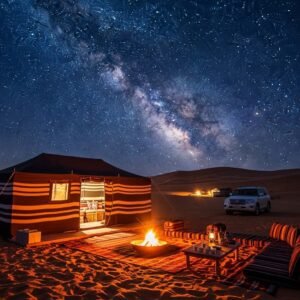
The desert at night is pitch black. Without the camp lights, every dune looks the same, and it is easy to get lost within minutes. If you want to take “starry sky” photos, do so just at the edge of the camp where the lights are still visible.
Respect the fire pits. The central bonfire is a place for warmth and storytelling, but it can be hazardous for children. Keep a safe distance, especially when the fire is being stoked for the evening shows. Following simple camp etiquette keeps the night enjoyable for everyone.
Alcohol and Substance Safety
Many evening safaris offer a bar service at the camp. However, Desert Safari Safety dictates that alcohol consumption should be moderate. Dehydration and alcohol are a dangerous combination in the heat of the desert.
If you have been drinking, do not attempt to climb the dunes or participate in sandboarding. Your balance and reaction times are compromised, increasing the risk of falls or injuries. Save the celebration for the sit-down dinner and the live shows.
It is also important to note that the UAE has a zero-tolerance policy for drug possession. Bringing illegal substances into the desert is not just a safety risk; it is a serious legal offense that can lead to imprisonment. Stick to the traditional hospitality offered by your hosts.
Photography Safety and Equipment Care
We all want the perfect Instagram shot, but Desert Safari Safety should come first. Never ask your driver to perform dangerous maneuvers just for a photo. The standard dune bashing routine is already designed for maximum visual impact and safety.
When taking photos outside the vehicle, be aware of other cars. In popular safari areas, there may be multiple convoys moving at once. Stay close to your own vehicle and never walk into the path of an oncoming SUV. Sand can muffle the sound of an engine until the car is very close.
External link: https://saharadesertsafaridubai.com
Protect your equipment as well. The fine sand can ruin a camera lens or a smartphone charging port in seconds. Use protective cases and avoid changing lenses in the open air. A damaged camera is a minor issue, but a distracted photographer can easily step into a hazardous situation.
Communication and Group Coordination
If you are traveling in a group, use a “buddy system” to maintain Desert Safari Safety. Ensure you know where your family or friends are at all times, especially during the busy transition from the vehicles to the camp.
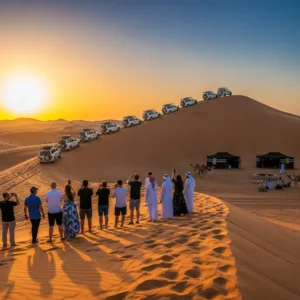
Drivers usually use a specific numbering system for their vehicles. Memorize your car’s number or take a photo of the license plate. In a sea of white SUVs, it can be difficult to find your specific ride after the sunset photo stop.
If you get separated from your group, head to the main DJ booth or the kitchen area at the camp. These are central hubs where staff can use the PA system to help reunite you with your party. Clear communication is the best tool for preventing panic and ensuring a smooth trip.
Choosing a Reputable Safari Company
The best way to guarantee Desert Safari Safety is to book with a company that has a long-standing reputation. Look for reviews that specifically mention safety, driver professionalism, and vehicle condition. Avoid “too good to be true” deals from unlicensed street vendors.
Reputable companies invest in their staff and equipment. They are transparent about their safety protocols and are happy to answer your questions about insurance and driver certifications. Your life is worth more than a few dollars saved on a budget tour.
Check if the company is a member of local tourism boards. These organizations often have higher safety standards than the minimum legal requirements. When you choose quality, you are choosing a team that has the experience to keep you safe in the unpredictable desert environment.
Respecting the Local Culture and Laws
Desert Safari Safety also includes social safety. The UAE is a traditional society with specific laws regarding public behavior. Dressing modestly when at the camp and avoiding loud or aggressive behavior ensures a peaceful experience for everyone.
Photography of local people, especially women, should only be done with permission. Respecting these social boundaries prevents conflict and ensures that the local community continues to welcome tourists into their ancestral lands.
Internal link: https://htdesertsafari.com/
Follow the instructions of your guide during the live shows. During the belly dance or fire show, stay in the seating area and do not enter the performance stage unless invited. This keeps the performers safe and ensures you don’t accidentally get in the way of a fire-breathing act.
Sustainability and Environmental Safety
A safe desert is a clean desert. Part of Desert Safari Safety is ensuring that we don’t leave anything behind that could harm the environment or future travelers. Litter can attract pests or injure wildlife, creating a cycle of ecological damage.
Use the trash bins provided at the camp. If you are out in the dunes, bring your trash back to the vehicle. Avoiding the use of single-use plastics where possible is a great way to support the sustainability of the Dubai desert reserves.
External link: https://royaldesertadventures.ae/
Stay on the designated tracks. Driving over vegetation can destroy the fragile root systems that hold the dunes in place. By following the “tread lightly” principle, we ensure that the desert remains a safe and beautiful place for the next generation of adventurers.
Conclusion: Adventure With Peace of Mind
Desert Safari Safety is not about limiting your fun; it is about providing the structure that makes the fun possible. By understanding the risks and following the professional guidance of your drivers and guides, you open the door to a truly world-class adventure.
The Arabian desert is a place of magic and mystery. It is a landscape that has inspired poets and explorers for centuries. When you step into the dunes with a focus on safety, you are following in the footsteps of those who respected the land and survived its challenges.
Take the time to prepare. Wear the right clothes, stay hydrated, and choose the right partner for your journey. With these steps in place, you can let go of your worries and fully immerse yourself in the golden beauty of the Dubai desert.
Frequently Asked Questions (FAQs)
1. What is the most important Desert Safari Safety rule for tourists?
The most vital rule for Desert Safari Safety is to stay buckled up at all times while the vehicle is in motion. Whether the driver is cruising on the highway or performing intense dune bashing, the seatbelt is your primary defense against injury. Many tourists want to move around to take photos, but a sudden drop in the sand can cause significant harm if you aren’t secured. Always listen to your driver’s instructions regarding safety protocols.
2. Are desert safaris safe for children under 5 years old?
While older children often enjoy the safari, Desert Safari Safety guidelines suggest that children under 3 should not participate in the dune bashing. For children between 3 and 5, it is recommended to request a “soft drive.” Their bodies are still developing, and the jarring motions of the SUV can be stressful for them. Most operators can provide a baby car seat if requested in advance, which is mandatory for the drive to and from the desert.
3. What should I do if I feel sick during the dune bashing?
If you begin to feel motion sickness, tell your driver immediately. Part of Desert Safari Safety training for drivers includes knowing how to handle passenger discomfort. They can stop the vehicle to give you fresh air or adjust their driving style to be smoother. Taking an over-the-counter motion sickness tablet about an hour before your pickup is a proactive way to prevent nausea and ensure you enjoy the ride.
4. How do I know if a safari company is safe and licensed?
A safe operator will be transparent about their credentials. Look for the Dubai Department of Economy and Tourism (DET) license on their website or in their office. Furthermore, check the vehicles for roll cages and fire extinguishers. Reputable companies that prioritize Desert Safari Safety will have high ratings on platforms like TripAdvisor specifically mentioning the professionalism of their drivers and the cleanliness of their equipment.
5. Is the food at the desert camp safe to eat?
Yes, but you should still exercise caution. Major safari operators follow strict food safety guidelines set by the Dubai Municipality. To ensure your personal Desert Safari Safety, observe the buffet: hot foods should be steaming, and cold foods should be kept on ice. If you have a very sensitive stomach, avoid the tap water (stick to the provided bottled water) and choose well-cooked meats over salads.
6. Can I go on a desert safari if I am pregnant?
Standard Desert Safari Safety advice is that pregnant women should skip the dune bashing. The high-impact nature of the ride poses a risk of complications. However, you can still book a safari! Simply ask for a “direct to camp” transfer. You will be driven to the camp via flat, paved roads, allowing you to enjoy the BBQ dinner, camel rides, and entertainment without any physical strain or risk to the baby.
7. What kind of clothing improves my safety in the desert?
To maximize your Desert Safari Safety, wear loose, light-colored clothing made of natural fibers like cotton. This helps regulate your body temperature and protects you from the sun. Avoid heavy jewelry that can get snagged. Wear closed-toe shoes if you plan to walk on the dunes, as the sand can be extremely hot and may hide sharp stones or desert insects. A light jacket is also essential for winter evenings.
8. Are there dangerous animals I should worry about during the safari?
While the desert is home to scorpions and snakes, they are rarely seen by tourists. Desert Safari Safety includes staying in the designated camp areas and watching your step when on the dunes. These animals are generally more afraid of humans than we are of them and will stay hidden. If you do spot wildlife, do not attempt to touch or feed it; simply observe from a distance and inform your guide.
9. What happens if the vehicle gets stuck in the sand?
Getting stuck is a normal part of the desert experience and doesn’t mean you are in danger. Drivers are trained in recovery techniques and usually travel in convoys so they can pull each other out. As part of Desert Safari Safety, you should stay inside the vehicle while the driver works, unless they specifically ask you to step out. The recovery process is usually very quick and is often seen as a fun part of the adventure.
10. Is the desert safari safe for people with back or heart problems?
No, the dune bashing portion is not recommended for individuals with these conditions. The sudden jumps and jolts can exacerbate back issues or cause cardiac stress. However, you can still participate in the cultural aspects of the tour. Request a “no-dune-bashing” package where you are transported directly to the campsite. This ensures your Desert Safari Safety while still allowing you to experience the beauty of the Arabian night.
11. Does the tour operator provide insurance?
Legally, all commercial safari vehicles in Dubai must have insurance that covers the passengers. However, this is usually limited. For complete Desert Safari Safety, it is best to have your own travel insurance that specifically covers off-road activities. This ensures you are covered for medical expenses, evacuations, or any other unforeseen events that might occur during your trip.
12. How much water should I drink to stay safe?
The desert is exceptionally dehydrating. To maintain Desert Safari Safety, you should drink at least one liter of water during the tour, and more if you are active. Don’t wait until you feel thirsty; thirst is an early sign of dehydration. Most operators provide unlimited bottled water, so keep a bottle with you at all times, especially during the photo stops and at the camp.
13. Are the drivers trained in first aid?
Most professional safari drivers in Dubai are required to have basic first aid training. Their vehicles are equipped with first aid kits for minor injuries. In more serious cases, they have communication systems to call for professional medical help. Knowing that your driver has a basic understanding of medical care is a key component of Desert Safari Safety.
14. Is it safe to wander away from the camp at night?
No, it is highly dangerous. Desert Safari Safety protocols strictly advise guests to stay within the lighted perimeter of the camp. The desert has no landmarks at night, and it is incredibly easy to get disoriented and lost. If you need to step away for a moment, always inform a staff member or go with a friend, and stay within sight of the camp torches.
15. Is sandboarding a safe activity for everyone?
Sandboarding is generally safe, but like any sport, it carries a risk of falls. To ensure your Desert Safari Safety, start on a smaller dune and follow the guide’s instructions on how to balance. If you have joint issues or are not confident in your balance, it might be better to skip this activity. Falling on soft sand is usually painless, but the heat of the sand can be a factor if you aren’t wearing shoes.
16. What should I do during a sandstorm?
If a sandstorm occurs, follow your driver’s instructions immediately. They will usually have you stay inside the vehicle or move to a sheltered area of the camp. Desert Safari Safety during a storm is about protecting your eyes and lungs from the blowing dust. If the weather is poor before the tour starts, many operators will reschedule the trip; it is always better to wait for a clear day.
17. Are there restrooms available during the safari?
Most organized camps have clean, modern restroom facilities. However, there are no restrooms while you are out on the dunes for the dune bashing or sunset photography. A common Desert Safari Safety tip is to use the restroom at the last petrol station stop before entering the sand. This ensures you are comfortable throughout the most active part of the tour.
18. Is the campfire at the camp safe for children?
The central bonfire is a beautiful feature but requires supervision. To maintain Desert Safari Safety, keep children at a distance. The wind can shift suddenly, blowing sparks toward the seating area. Most camps have staff who manage the fire, so do not attempt to add wood or play with the embers yourself.
19. Is it safe to ride a camel?
Yes, camel riding is very safe and is conducted at a slow pace. The handlers are professionals who will help you get on and off the animal. The biggest risk is during the camel’s “kneeling” process, as it can be a bit jerky. Hold on firmly to the saddle handles, and you will be fine. It is a traditional and gentle part of the Desert Safari Safety experience.
20. Why do drivers travel in convoys?
Traveling in a group is a major Desert Safari Safety strategy. If one vehicle has a mechanical issue or gets stuck, the other drivers are there to help immediately. It also makes it easier to coordinate in case of a medical emergency. Being part of a convoy means there is always a support system nearby, which is essential when you are miles away from the city.
Would you like me to create a printable safety checklist or a “what to pack” guide specifically for this desert trip?