
Table of Contents
Arabian Desert Sand Varieties: Exploring the Hidden Complexity of the Golden Dunes
Arabian Desert Sand Varieties are far more than just a backdrop for your holiday photos. When you step onto the dunes in 2026, you are standing on billions of years of geological history. Every grain tells a story of wind, water, and mineral transformation.
For the casual observer, the desert is just a vast sea of yellow. However, those who look closer will find that Arabian Desert Sand Varieties include a stunning spectrum of colors. From deep crimson to pale silver, the diversity is truly remarkable.
Understanding Arabian Desert Sand Varieties is essential for appreciating the unique ecosystem of the UAE. The mineral composition of the sand dictates what can grow and which animals can thrive. Let us dive into the microscopic world of Arabian Desert Sand Varieties.
The Mineral Foundations of Arabian Desert Sand Varieties
The primary component of most Arabian Desert Sand Varieties is quartz. This durable mineral survives the harsh weathering processes of the desert. Over millions of years, larger rocks break down into the fine grains we see today.
Quartz provides the structural integrity of the dunes. However, other minerals introduce the vibrant colors found in Arabian Desert Sand Varieties. Iron oxide, feldspar, and carbonate all play a role in the visual identity of the landscape.
Quartz and Silica Content
In many Arabian Desert Sand Varieties, silica is the dominant element. This gives the sand its characteristic grit and weight. High-quality silica sand is often sought after for industrial uses, but in the desert, it forms the rolling peaks of the dunes.
The purity of the quartz affects the transparency of the grains. Under a microscope, some Arabian Desert Sand Varieties look like tiny, polished diamonds. This clarity is a result of the wind constantly buffeting and cleaning the grains over centuries.
Iron Oxide and the Famous Red Glow
The most iconic Arabian Desert Sand Varieties are the deep red dunes found in Al Lahbab. This color is caused by a thin coating of iron oxide, essentially a form of natural rust. The older the sand, the more oxidized it becomes, leading to a darker red.
This iron-rich sand is a favorite for photographers. Arabian Desert Sand Varieties with high iron content capture the sunlight in a way that makes the dunes appear to be on fire during sunset. It is a spectacular manifestation of chemistry in nature.
Comparison of Regional Sand Characteristics
| Location | Primary Color | Mineral Dominance | Texture |
| Al Lahbab (Dubai) | Deep Red | Iron Oxide & Quartz | Fine / Silky |
| Rub al Khali | Orange/Gold | Feldspar & Silica | Medium / Granular |
| Coastal Regions | Pale Yellow/White | Carbonate & Shells | Coarse / Sharp |
| Liwa Oasis | Apricot/Pink | Trace Minerals | Very Fine / Soft |
| Hajar Foothills | Grey/Brown | Basalt & Gabbro | Rugged / Mixed |
How Wind Shapes Arabian Desert Sand Varieties
The wind is the ultimate architect of Arabian Desert Sand Varieties. It doesn’t just move the sand; it sorts it. Lighter grains are carried to the crests, while heavier minerals settle in the valleys.
This sorting process creates the distinct layers often visible in Arabian Desert Sand Varieties. If you dig a small hole in a dune, you might see bands of different colors. This is a record of previous wind events and mineral deposits.
The Role of the Shamal Wind
In the UAE, the Shamal wind is a major factor in the movement of Arabian Desert Sand Varieties. Blowing from the northwest, it carries fine dust and sand across hundreds of miles. This wind is responsible for the migration of entire dune systems.
During a Shamal, Arabian Desert Sand Varieties are in a state of high flux. The air becomes thick with minerals, and the landscape can change its appearance overnight. It is the most powerful force acting on Arabian Desert Sand Varieties today.
Saltation and Surface Creep
The physics of how Arabian Desert Sand Varieties move is fascinating. Most grains travel through saltation, a “leaping” motion caused by wind pressure. As one grain lands, it triggers the movement of others.
Surface creep involves larger, heavier grains that are too heavy to lift. These Arabian Desert Sand Varieties are pushed along the ground by the impact of smaller grains. Together, these movements ensure the desert is always in motion.
The Impact of Arabian Desert Sand Varieties on Local Ecosystems
Arabian Desert Sand Varieties are the foundation of life in the arid wilderness. Different plants have evolved to survive in specific types of sand. For example, the Ghaf tree prefers the deeper, more stable Arabian Desert Sand Varieties of the interior.
Animals also rely on the specific textures of Arabian Desert Sand Varieties. Some lizards “swim” through the sand, requiring a very specific grain size to move efficiently. The biodiversity of the desert is tied directly to these Arabian Desert Sand Varieties.
Water Retention in Different Sands
One might think sand doesn’t hold water, but some Arabian Desert Sand Varieties are better at it than others. Fine Arabian Desert Sand Varieties can trap moisture from the morning dew, providing a lifeline for small insects.
Heavier, more porous Arabian Desert Sand Varieties allow water to sink deep into underground aquifers. This geological storage is what makes life possible in such a dry climate. Arabian Desert Sand Varieties act as a giant, natural filter for the Earth’s water.
Thermal Properties of the Dunes
The color of Arabian Desert Sand Varieties affects their temperature. Darker, red Arabian Desert Sand Varieties absorb more heat during the day. In contrast, lighter coastal Arabian Desert Sand Varieties stay relatively cooler.
This thermal variance is a critical factor for nocturnal animals. They choose their burrows based on the heat-retention properties of the local Arabian Desert Sand Varieties. It is a complex thermal dance governed by mineralogy.
External Resources for Geological Study
To understand the deeper science of desert formations in 2026, we suggest these resources:
Explore mineral maps at https://dubaidesertsafarie.com/.
Discover the rock cycles of the UAE at https://royaldesertadventures.ae/.
View microscopic galleries of desert sand at https://htdesertsafari.com/.
Arabian Desert Sand Varieties and Human History
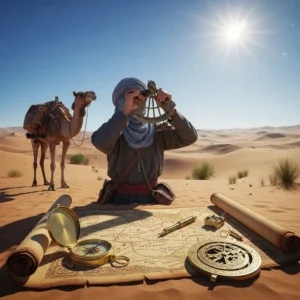
For the Bedouin people, Arabian Desert Sand Varieties were a map. They could determine their location simply by the color and feel of the sand under their feet. Each region had its own signature Arabian Desert Sand Varieties.
The knowledge of Arabian Desert Sand Varieties was passed down through generations. Knowing which Arabian Desert Sand Varieties were stable enough for a camel caravan was a survival skill. Today, we use GPS, but the sand remains the same.
Traditional Uses of Sand
Beyond navigation, Arabian Desert Sand Varieties had practical uses. Certain sands were used for traditional medicine or as a natural abrasive for cleaning. The utility of Arabian Desert Sand Varieties was as vast as the desert itself.
Even in modern architecture, Arabian Desert Sand Varieties have played a role. While desert sand is often too smooth for high-strength concrete, it is used in landscaping and traditional plastering to maintain a cultural aesthetic.
Sand Art and Cultural Expression
The beauty of Arabian Desert Sand Varieties has inspired artists for centuries. Today, you can see sand art bottles that use the natural colors of Arabian Desert Sand Varieties to create intricate pictures.
This art form celebrates the diversity of the landscape. It takes the “rust” and the “quartz” of the Arabian Desert Sand Varieties and turns them into a portable memory of the desert’s majesty.
Internal Linking for Further Exploration
To find the best locations for seeing these sand colors, visit https://saharadesertsafaridubai.com/ for a guide to the best dunes. You can also book a private geology tour at https://royaldesertadventures.ae/.
Conservation of Arabian Desert Sand Varieties
As Dubai grows, the protection of Arabian Desert Sand Varieties becomes more important. Off-roading and construction can disrupt the natural balance of the dunes. We must respect the Arabian Desert Sand Varieties to preserve their beauty.
Responsible tourism ensures that we leave the Arabian Desert Sand Varieties as we found them. By staying on designated tracks, we prevent the “crust” of the sand from being broken, which reduces erosion and dust storms.
The Role of Protected Reserves
Dubai has established several reserves where Arabian Desert Sand Varieties are protected from development. In these areas, the natural cycle of wind and sand continues undisturbed. It is a living laboratory for the study of Arabian Desert Sand Varieties.
Visiting these reserves allows you to see Arabian Desert Sand Varieties in their purest form. You can observe the natural ripples and ridges that have not been touched by human activity. It is a rare and beautiful sight.
Sustainable Tourism Practices
When you go on a safari, choose operators who prioritize the environment. They understand the importance of Arabian Desert Sand Varieties and work to minimize their impact. This ensures that future generations can enjoy the same Arabian Desert Sand Varieties.
Educating guests about the complexity of Arabian Desert Sand Varieties is part of the experience. The more we know about the sand, the more we are inclined to protect it. Every grain of Arabian Desert Sand Varieties is a part of the UAE’s heritage.
The Future of Arabian Desert Sand Varieties
In 2026, scientists are using satellites to track the movement of Arabian Desert Sand Varieties more accurately than ever before. We are learning how climate change might affect the migration of these massive dune systems.
The study of Arabian Desert Sand Varieties is also helping us understand other planets. Mars, for example, has its own versions of Arabian Desert Sand Varieties. By studying our own dunes, we gain insights into the geology of the universe.
Technological Advancements in Sand Study
New imaging techniques allow us to see the chemical makeup of Arabian Desert Sand Varieties from space. This helps in mapping resources and predicting sandstorms. Technology is making the invisible secrets of Arabian Desert Sand Varieties visible.
Even with all our tech, the best way to experience Arabian Desert Sand Varieties is to be there. Feeling the texture and seeing the color with your own eyes is irreplaceable. Arabian Desert Sand Varieties are a sensory wonder.
The Eternal Cycle of the Desert
The desert is a place of constant renewal. Arabian Desert Sand Varieties are ground down, moved, and built into new structures every single day. It is an eternal cycle of creation driven by the wind and the sun.
As you look out over the dunes, remember that the Arabian Desert Sand Varieties you see today will be different tomorrow. The desert is a living, breathing entity, and its sand is its lifeblood. Embrace the mystery of Arabian Desert Sand Varieties.
Conclusion: A Masterpiece in Every Grain
Arabian Desert Sand Varieties are a testament to the power of nature’s simple elements. Quartz, iron, and wind combine to create one of the most stunning landscapes on Earth. The desert is not just a place; it is a process.
Whether you are there for the adventure, the photography, or the peace, the Arabian Desert Sand Varieties will be your constant companion. They are the stage upon which the drama of the desert unfolds. Respect the sand, and it will show you its secrets.
Dubai in 2026 remains a gateway to this ancient world. The Arabian Desert Sand Varieties are waiting for you to explore their depths and discover their history. Every footstep is a connection to the million-year journey of the sand.
20 FAQs about Arabian Desert Sand Varieties
Why are some Arabian Desert Sand Varieties red while others are yellow?
The color difference in Arabian Desert Sand Varieties is primarily due to mineral content and age. Red sand is coated with iron oxide (rust), which indicates it has been in the desert for a very long time. Yellow or pale Arabian Desert Sand Varieties are often younger or have a higher concentration of carbonate and crushed shells from ancient sea beds.
Can I take Arabian Desert Sand Varieties home as a souvenir?
While a tiny amount in a jar is generally overlooked, taking large quantities of Arabian Desert Sand Varieties is discouraged. In protected reserves, it is strictly prohibited to remove any natural materials. It is better to support the desert by buying sand art made by local craftsmen who use ethically sourced Arabian Desert Sand Varieties.
Is it true that Arabian Desert Sand Varieties can “sing”?
Yes! A rare phenomenon occurs when certain Arabian Desert Sand Varieties slide down a dune’s slip face. The friction between the grains creates a low-frequency hum or “song.” This only happens with specific grain sizes and moisture levels in the Arabian Desert Sand Varieties.
Do Arabian Desert Sand Varieties contain gold?
While the name “Golden Sands” is popular, Arabian Desert Sand Varieties do not contain significant amounts of gold. The “gold” color comes from the reflection of sunlight off quartz and feldspar minerals. However, the desert is rich in other valuable resources like oil and high-purity silica.
How deep are the Arabian Desert Sand Varieties in Dubai?
The depth of Arabian Desert Sand Varieties varies. In some areas, the sand is only a few meters deep over solid rock. In the massive dunes of the Empty Quarter, Arabian Desert Sand Varieties can reach depths of over 300 meters. The “sea of sand” is often much deeper than people imagine.
What is the best time to see the colors of Arabian Desert Sand Varieties?
The “Golden Hour,” just before sunset and just after sunrise, is the best time. The low angle of the sun emphasizes the textures and brings out the vibrant reds and oranges of the Arabian Desert Sand Varieties. During midday, the high sun can make the Arabian Desert Sand Varieties look flat and washed out.
Are Arabian Desert Sand Varieties dangerous?
Sand itself is not dangerous, but the environment can be. Shifting Arabian Desert Sand Varieties can create “slip faces” that are unstable to walk or drive on. Also, during high winds, blowing Arabian Desert Sand Varieties can reduce visibility to zero. Always explore Arabian Desert Sand Varieties with a professional guide.
Why is desert sand not used for building skyscrapers?
Surprisingly, Arabian Desert Sand Varieties are often unsuitable for high-strength concrete. The wind makes the grains too smooth and round, so they don’t “lock” together well. Most construction in Dubai uses sand dredged from the sea or crushed from mountain rock rather than the wind-blown Arabian Desert Sand Varieties.
How do plants survive in these Arabian Desert Sand Varieties?
Plants like the Ghaf tree have incredibly long taproots that go deep through the Arabian Desert Sand Varieties to find water. Other plants have waxy coatings to prevent moisture loss. The Arabian Desert Sand Varieties provide the anchorage, while the plants have adapted to the low nutrient levels.
Do Arabian Desert Sand Varieties change every day?
Yes, the desert is never static. Arabian Desert Sand Varieties are constantly being reshaped by the wind. A dune that is high today might be lower tomorrow. The ripples on the surface of the Arabian Desert Sand Varieties can change in just a few minutes if the wind picks up.
What are the “black” specks sometimes seen in Arabian Desert Sand Varieties?
These are often heavy minerals like magnetite or basalt fragments. Arabian Desert Sand Varieties are a mix of many things. These heavier dark grains often settle in the “troughs” of the ripples, creating a beautiful contrast against the lighter Arabian Desert Sand Varieties.
Does it ever rain on the Arabian Desert Sand Varieties?
Yes, though rarely. When it does rain, the Arabian Desert Sand Varieties absorb the water quickly. You might see a temporary “bloom” of desert flowers. The rain also helps to firm up the Arabian Desert Sand Varieties, making them easier to walk on for a short period.
Are there different Arabian Desert Sand Varieties in the Abu Dhabi desert?
Yes, the Abu Dhabi desert, especially in the Liwa region, has some of the most spectacular Arabian Desert Sand Varieties in the world. They are often lighter, with more of a pink or apricot hue compared to the deep red Arabian Desert Sand Varieties of Dubai’s Al Lahbab region.
How does sand stay in a dune shape?
The shape is a balance between wind speed and gravity. Arabian Desert Sand Varieties are pushed up the “stoss” side by the wind and then cascade down the “slip face.” This creates a stable angle of repose, which is usually around 34 degrees for most Arabian Desert Sand Varieties.
What is the “crust” found on some Arabian Desert Sand Varieties?
This is often a “biological soil crust” or a salt crust. It is a thin layer that binds the top of the Arabian Desert Sand Varieties together. It is very fragile. Breaking this crust increases erosion, which is why we ask guests to stay on paths when exploring Arabian Desert Sand Varieties.
Can Arabian Desert Sand Varieties be used for filters?
Yes, high-silica Arabian Desert Sand Varieties are excellent for water filtration. The irregular shapes and sizes of the grains trap impurities as water passes through. This is one of the many ecological services provided by Arabian Desert Sand Varieties.
Are there fossils in the Arabian Desert Sand Varieties?
While the moving dunes themselves don’t hold fossils well, the areas under the Arabian Desert Sand Varieties are full of them. Ancient sea beds and river valleys are buried beneath the sand. Sometimes, shifting Arabian Desert Sand Varieties reveal these ancient treasures.
Do Arabian Desert Sand Varieties affect the weather?
Yes, large amounts of airborne Arabian Desert Sand Varieties can affect cloud formation and temperature. Dust from the Arabian Desert Sand Varieties can travel thousands of miles, even reaching other continents, proving that the desert is connected to the global climate.
How can I clean Arabian Desert Sand Varieties out of my clothes?
The best way is to let the clothes dry completely and then shake them out vigorously. Because Arabian Desert Sand Varieties are so fine, they can get into the weave of the fabric. Brushing them while wet just pushes the sand deeper into the fibers.
Is it easy to get lost in the Arabian Desert Sand Varieties?
Yes, the repetitive patterns of Arabian Desert Sand Varieties can be very disorienting. Without landmarks, everything looks the same. Never venture into the deep Arabian Desert Sand Varieties without a professional guide, a GPS, and plenty of water.
Would you like me to find a list of the best 2026 photography tours that focus specifically on these diverse sand colors?